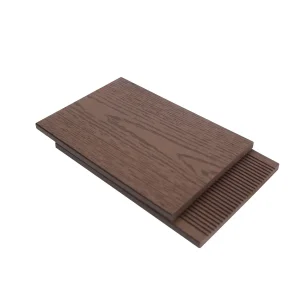
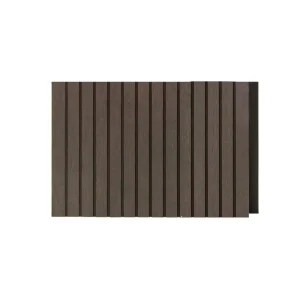
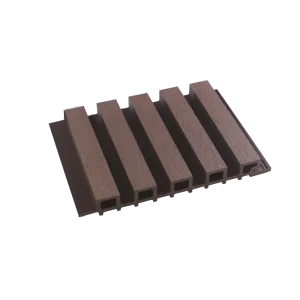
The Marshall Islands, with its unique tropical climate, poses significant challenges to conventional construction materials. High salinity, constant humidity, and intense UV exposure make traditional timber cladding susceptible to rapid decay, termite infestation, and structural warping. As a premier WPC (Wood-Plastic Composite) manufacturer, Ningbo Yida provides the solution: engineered cladding that merges aesthetic wood textures with the industrial-grade durability of polymers.
Our WPC Classic Cladding is specifically formulated to withstand the maritime environment. Unlike wood, our composite does not absorb moisture, eliminating the risk of mold growth—a critical advantage for building infrastructure in the Marshall Islands. Whether for luxury resorts or municipal public works, Yida provides long-term performance where others fail.
Global procurement experts recognize China as the hub of WPC innovation. Ningbo Yida leverages advanced extrusion technology to offer competitive pricing without compromising on quality. By utilizing recycled fibers and eco-friendly polymers, we achieve a cost-efficiency that allows Marshall Islands developers to execute high-budget architectural designs within budget constraints.
From sustainable residential design to large-scale hotel developments, WPC is replacing traditional cedar and pine. We are seeing a shift towards:
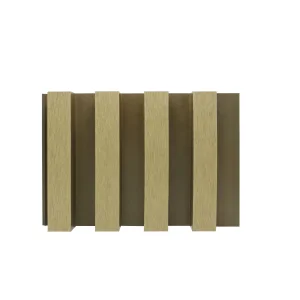 Cheap WPC Classic Cladding YD219Y26 Manufacturer, Company
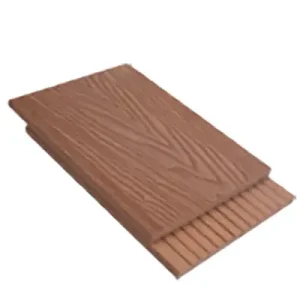 Custom WPC Classic Cladding YD146S10-1 Manufacturer, Product
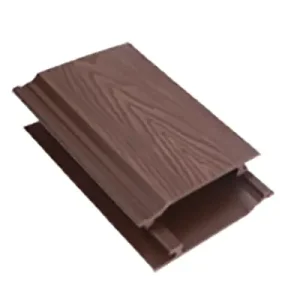 OEM WPC Classic Cladding YD148-21 Supplier, Company
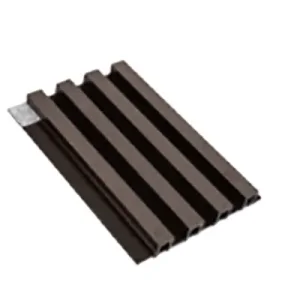 Cheap WPC Classic Cladding YD219Y29 Company, Product
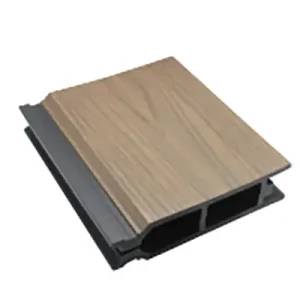 Discount WPC Classic Cladding YDS174x21 Supplier, Product
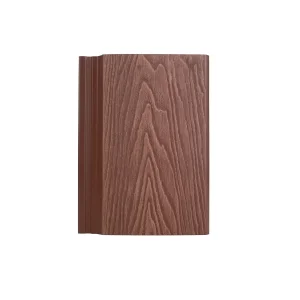 OEM WPC Classic Cladding YD148S21 Factories, Products
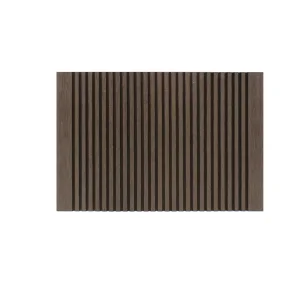 Discount WPC classic decking YD150H30 Manufacturer, SupplierCheap WPC Classic Cladding YD219Y29 Company, Product
A: WPC (Wood-Plastic Composite) is a blend of wood fibers and thermoplastics. It offers the authentic look of wood without the maintenance, rot, or termite issues associated with natural lumber, making it superior for the Marshall Islands climate.
A: Absolutely. Our products utilize recycled wood waste and plastics, significantly reducing landfill impact and protecting forests by reducing the demand for virgin timber.
A: WPC is naturally resistant to saltwater corrosion. Unlike metal or treated wood, our cladding will not rust or degrade due to salt spray, ensuring long-term aesthetic appeal.
A: Our products are designed for ease of installation with hidden fastening systems. However, for large-scale commercial projects, we recommend professional consultation to ensure proper drainage and structural integrity.
 Yida Wood