WPC plywood, a combination of wood and plastic, has gained immense popularity in recent years. This material offers several advantages, making it a top choice for various applications. Buyers appreciate its durability, water resistance, and low maintenance requirements. Unlike traditional plywood, WPC plywood can withstand harsh weather conditions. This quality suits it well for outdoor furniture and construction projects.
WPC plywood also boasts an aesthetic appeal. Its smooth surface can mimic natural wood, providing beauty without sacrificing performance. Many homeowners select WPC plywood for interior applications, such as cabinetry and flooring. Its versatility makes it valuable across different markets.
Despite its advantages, some potential buyers may feel uncertain about production methods and long-term sustainability. Understanding these aspects is crucial for informed choices. Therefore, consumers should research the origins and manufacturing practices of WPC plywood. Overall, this material continues to attract attention and spark interest among builders and homeowners alike.
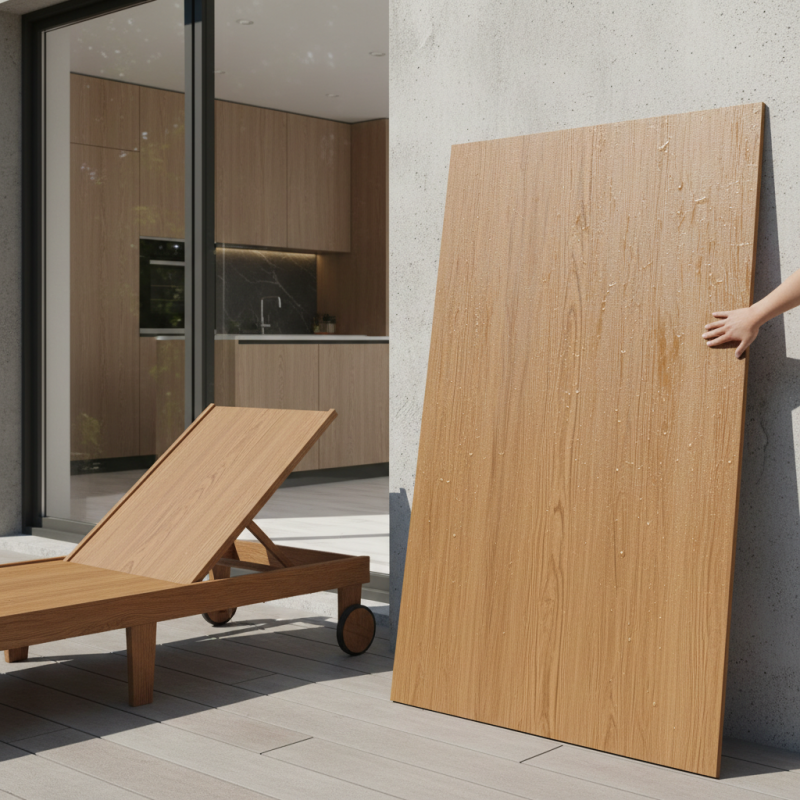
Understanding WPC Plywood: Composition and Characteristics
WPC plywood, or Wood Plastic Composite plywood, is an innovative material combining wood fibers and plastic polymers. This unique composition offers numerous advantages. It is lightweight yet strong, making it easy to handle in various construction projects. Its resistance to moisture also sets it apart from traditional plywood. Homeowners often choose WPC plywood for areas like kitchens and bathrooms.
The characteristics of WPC plywood include durability and low maintenance. Unlike regular wood, it doesn't warp or splinter easily. This makes it ideal for outdoor furniture and decking. Many users appreciate its variety of finishes that mimic wood while providing the benefits of plastic. However, it isn't perfect. Some find the texture less appealing than real wood. Others may wonder about its environmental impact.
WPC plywood continues to gain popularity due to its versatility. Architects and builders rely on it for innovative designs. The balance of aesthetics and functionality attracts many buyers. As the demand grows, ongoing research is crucial for improving its properties and minimizing any downsides.
Key Advantages of WPC Plywood Over Traditional Materials
WPC plywood, or wood-plastic composite plywood, is gaining traction among builders and homeowners. Its unique composition combines wood fibers and thermoplastics, resulting in a product that boasts numerous advantages over traditional materials. The global market for WPC materials is expected to grow at a CAGR of approximately 12% from 2020 to 2027, highlighting its rising popularity.
One of WPC plywood's key strengths is its resistance to moisture and pests. Unlike traditional wood, which can warp, swell, or attract termites, WPC plywood maintains its form and integrity. Reports suggest that WPC products can last up to five times longer than wood in harsh conditions. This durability not only enhances longevity but also reduces replacement costs over time, making it a wise investment.
When selecting materials, consider these tips: always analyze the specific environmental conditions your project will face. Also, research different suppliers’ quality certifications to ensure reliability. Moreover, the aesthetic versatility of WPC plywood is remarkable. It can be painted, stained, or left in its natural state, catering to various design preferences. That said, some buyers may find WPC plywood’s initial cost higher than traditional plywood, requiring careful budgeting.
What is WPC Plywood and Why is it Popular Among Buyers? - Key Advantages of WPC Plywood Over Traditional Materials
| Feature |
WPC Plywood |
Traditional Plywood |
| Water Resistance |
High |
Low |
| Weight |
Lightweight |
Heavy |
| Durability |
Very Durable |
Moderately Durable |
| Maintenance |
Low Maintenance |
High Maintenance |
| Cost |
Cost-Effective |
Generally More Expensive |
| Eco-Friendliness |
High Recyclability |
Lower Recyclability |
Applications of WPC Plywood in Various Industries
WPC (Wood Plastic Composite) plywood is gaining traction across several industries. Its blend of wood fibers and thermoplastics creates a versatile material. One significant application is in construction. For example, the global WPC market is projected to reach $10 billion by 2027, driven largely by construction needs. This material's resistance to moisture and pests makes it ideal for outdoor structures.
In the furniture industry, WPC plywood is becoming a popular choice. Designers appreciate its ability to mimic traditional wood aesthetics while providing added durability. A report from Allied Market Research notes that the furniture segment accounted for about
45% of the WPC market in 2021. However, some consumers still question its longevity compared to solid wood.
The automotive sector is also exploring WPC plywood. Lightweight and sturdy, it can reduce overall vehicle weight. This aligns with industry goals for improved fuel efficiency. Yet, challenges remain in standardizing WPC materials for automotive use. Companies are experimenting with various formulations to address these concerns and enhance performance. The ongoing evolution of WPC plywood reflects both its potential and the need for further research.
Factors Influencing the Popularity of WPC Plywood Among Consumers
WPC plywood, or Wood Plastic Composite plywood, has gained popularity in recent years. This material combines wood fibers and thermoplastics, offering several advantages. It resists moisture, making it ideal for both indoor and outdoor use. Many consumers appreciate its durability and low maintenance requirements.
One factor influencing its popularity is environmental sustainability. Buyers are increasingly seeking eco-friendly options. WPC plywood utilizes recycled materials, which helps reduce waste. Additionally, it does not require chemical treatments, making it healthier for indoor environments. Many construction professionals are now recommending it for various projects.
Tips: If you consider WPC plywood, check for certifications. Look for evidence of its environmental claims. Real-life applications can help you visualize its potential. Homeowners can also creatively use WPC plywood for furniture or outdoor decks.
Another reason for its appeal is its versatility. WPC plywood comes in various designs and colors. This allows consumers to achieve their desired aesthetic easily. However, some buyers may find it difficult to compare WPC with traditional plywood. It's vital to weigh the pros and cons before making a decision. Real experiences shared online can provide helpful insights.
Environmental Impact and Sustainability of WPC Plywood
WPC plywood is an innovative material combining wood fibers and thermoplastics. Its rise in popularity is largely due to its eco-friendly properties. Unlike traditional plywood, WPC plywood is made from recycled materials, reducing waste and supporting a circular economy. This aspect appeals to environmentally conscious consumers.
The sustainability of WPC plywood extends beyond its materials. It requires less energy to produce compared to conventional plywood. Additionally, it is resistant to moisture, mold, and pests, contributing to its longevity. This durability reduces the need for replacements, further minimizing environmental impact. However, the production process still involves some plastic, which poses questions about full sustainability.
While WPC plywood has clear advantages, it is not without challenges. Some may argue that the reliance on plastics could undermine its eco-friendly claims. The sourcing of wood fibers must also be carefully managed to avoid deforestation. Striking a balance between convenience and environmental responsibility is crucial. This ongoing debate highlights the complexity of sustainable materials in today’s market.
FAQS
: WPC plywood is a composite material made from wood fibers and thermoplastics.
It resists moisture and pests, making it ideal for outdoor structures.
Designers favor it for durability and aesthetic appeal, mimicking traditional wood.
Some question its longevity compared to solid wood.
It uses recycled materials, reducing waste and avoiding chemical treatments.
There are issues with standardization and performance that need further research.
They can creatively choose it for furniture or outdoor decks.
Certifications and real-life applications can help evaluate its sustainability claims.
The reliance on plastics raises questions about its overall eco-friendliness.
It requires less energy but still involves some plastic, complicating its sustainable image.
Conclusion
WPC Plywood, or Wood Plastic Composite Plywood, has gained significant popularity due to its unique composition and beneficial characteristics. Made from a blend of recycled wood fibers and thermoplastics, WPC Plywood offers a durable and moisture-resistant alternative to traditional plywood. Its key advantages include superior resistance to rot, termites, and warping, making it an ideal choice for various applications, especially in outdoor and high-humidity environments.
The versatility of WPC Plywood allows it to be utilized across multiple industries, including construction, furniture manufacturing, and interior design. Factors such as increasing environmental awareness and the demand for sustainable building materials have further contributed to its appeal among consumers. Additionally, WPC Plywood is recognized for its eco-friendly properties, as it incorporates recycled materials and requires less energy for production, positioning it as a responsible choice in today’s market.

 Yida Wood