In recent years, Wpc Waterproof solutions have gained immense popularity among homeowners and builders alike. According to Dr. Emily Carter, a renowned expert in the field, "Wpc Waterproof products are a game-changer for modern construction." This technology offers unique benefits that greatly enhance the usability and durability of materials in various climates.
The appeal of Wpc Waterproof solutions lies in their impressive resistance to moisture and wear. These products are engineered from a blend of wood and plastic composites, making them ideal for both indoor and outdoor applications. They not only withstand water damage but also resist fading, scratching, and mold growth.
As the market evolves, evaluating the choices available is essential. While Wpc Waterproof products promise outstanding performance, buyers must be aware of the variations in design and quality. Critical insights from industry experts can help steer purchasing decisions and ensure long-lasting satisfaction with these innovative solutions.
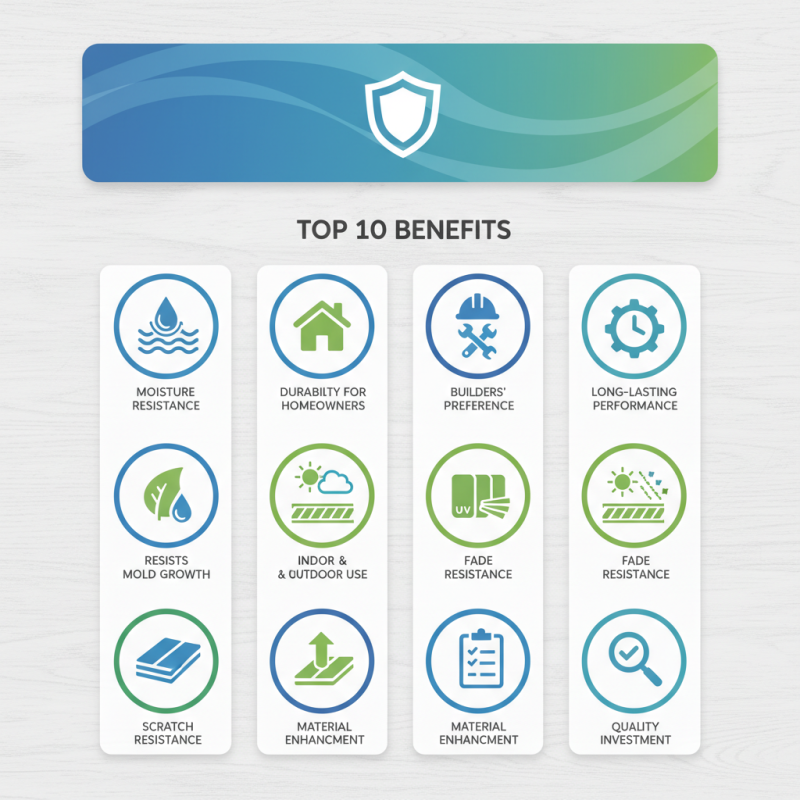
Top 10 Benefits of WPC Waterproof Solutions for Buyers
WPC (Wood Plastic Composite) waterproof solutions offer numerous advantages for buyers looking for durability and performance. One notable benefit is resistance to water damage. According to industry studies, WPC materials can withstand moisture up to 50% better than traditional wood alternatives. This makes WPC an ideal choice for outdoor applications, such as decking and fencing, where exposure to the elements is a constant concern.
Another significant advantage is the low maintenance requirement. Reports indicate that WPC requires up to 70% less maintenance compared to natural wood. This includes less frequent painting, sealing, and repairs. Furthermore, WPC is inherently resistant to mold and mildew, which can be a problem with untreated wood. Homeowners appreciate these qualities, reducing long-term costs and labor.
WPC also boasts an eco-friendly profile. Made from recycled materials, its use helps to minimize environmental impact. A study by the U.S. Green Building Council highlights that incorporating WPC can contribute to LEED certification. However, it’s crucial to choose products that maintain high environmental standards. This ensures that the benefits extend beyond mere aesthetics and functionality.
Enhanced Durability: Understanding WPC's Resistance to Water and Weather
WPC, or Wood-Polymer Composite, has gained popularity due to its impressive durability. This material is remarkably resilient against water. Traditional wood can easily rot, warp, or splinter. In contrast, WPC stands strong in wet conditions. This attribute makes it ideal for outdoor environments.
Its resistance to weather is noteworthy. WPC can withstand extreme temperatures, heavy rain, and harsh sunlight. Many homeowners appreciate this as it reduces maintenance needs. With WPC, there's no need for frequent sealing or painting. This not only saves time but also money in the long run.
Some buyers may feel uncertain about WPC's long-term performance. They worry about how well it holds up over time. While WPC is durable, improper installation can lead to issues. It's crucial to choose reliable professionals for installation. Confirm that they understand the specifics of WPC products. That ensures optimal performance through various conditions.
Cost-Effectiveness: Analyzing Long-Term Savings with WPC Products
WPC (Wood Plastic Composite) products present an intriguing cost-effectiveness advantage for buyers, especially in waterproof solutions. Recent assessments reveal that WPC materials can reduce maintenance costs by up to 30% over time. This is primarily due to their resistance to moisture, rot, and insects, which significantly decreases the need for frequent repairs.
In residential applications, the long-term savings become apparent when homeowners consider the life cycle of flooring or decking. A study indicated that homeowners can expect a lifespan of 25 years or more from high-quality WPC products. Traditional wood solutions, by contrast, often require replacement after just 10 to 15 years, leading to higher costs in material and labor. The lower upkeep of WPC directly translates to notable savings.
However, buyers should also remember that upfront costs may be higher than traditional materials. Investing in WPC can lead to reflections on budgeting and return on investment. It forces a reassessment of choices when looking at durability versus initial expenditure. Responsible consumers will weigh these factors carefully to make informed decisions that align long-term financial goals with immediate needs.
Eco-Friendliness: The Sustainable Aspects of WPC Materials
WPC (Wood Plastic Composite) materials present an eco-friendly alternative in the building industry. Their sustainable aspects contribute significantly to reducing environmental impact. For example, WPC products often consist of recycled wood fibers and plastic, minimizing waste generated from both sources. According to a report by the American Wood Council, WPC solutions can help reduce greenhouse gas emissions by up to 30% compared to traditional wood products.
Choosing WPC means supporting a circular economy. The materials used are often sourced from post-consumer waste. In fact, the industry's shift toward eco-conscious practices is reflected in a 2021 survey by the Global WPC Market Research, which showed 65% of buyers prefer sustainable options. This growing demand drives manufacturers to innovate and improve their processes, leading to healthier environments.
Tip: When considering WPC products, look for certifications that indicate sustainable sourcing. Check for EcoLabel or similar marks. Such certifications ensure your choice supports environmentally responsible practices.
It's important to reflect on what sustainability truly means in your choices. While WPC offers benefits, not every product on the market meets high eco-friendly standards. Scrutinizing certifications and origin can make a substantial difference. Prioritize those that clearly communicate their sustainable practices.
Aesthetic Versatility: Design Options Offered by WPC Waterproof Solutions
When it comes to aesthetic versatility, WPC waterproof solutions shine in the market. They offer a wide range of design options that cater to varying tastes. Imagine a patio adorned with planks that mimic real wood, providing warmth and charm without the maintenance headaches. From rich, dark tones to light, airy shades, WPC products can complement any style.
Designers appreciate the flexibility of WPC materials. They can be shaped into unique patterns or finishes, allowing for creative expressions. This is especially beneficial for homeowners aiming for a personalized touch. However, achieving the perfect look often requires careful planning. Choosing the wrong color or texture can lead to a mismatch with existing décor.
WPC solutions also come with various textures, from smooth to embossed finishes. This creates a tactile experience, adding depth to a space. While the options are plentiful, the decision-making process can be overwhelming. Homeowners might find themselves stuck between choices. Balancing aesthetics with practicality is crucial, as functionality remains a top priority.
Low Maintenance Requirements: How WPC Products Reduce Upkeep Costs
WPC (Wood Plastic Composite) products offer significant maintenance advantages. They are designed to withstand harsh weather conditions. This reduces the frequency of repairs and replacements. According to a 2022 report by the National Association of Home Builders, homeowners can save up to 50% in maintenance costs over traditional materials. WPC materials also resist fading, warping, and splintering, ensuring long-lasting beauty.
Another study from the Journal of Building Materials highlighted that WPC requires less frequent cleaning. Traditional decking often demands rigorous upkeep, demanding time and resources. In contrast, WPC surfaces can be easily cleaned with soap and water. This level of ease reduces both labor and material costs for maintenance. Furthermore, homeowners appreciate the durability as it minimizes the need for costly repairs.
It’s important to recognize that not all WPC products are equal. Some may still require occasional refinishing or cleaning. Buyers should research the specific types of WPC available. Knowing the lifespan and maintenance requirements can help in making informed decisions. While WPC offers many benefits, it's crucial to choose wisely to maximize long-term savings.
FAQS
: WPC, or Wood-Polymer Composite, is popular for its impressive durability and resistance to water.
WPC resists rot, warping, and splintering, making it ideal for outdoor environments.
WPC minimizes maintenance needs. There’s no need for frequent sealing or painting, saving time and money.
High-quality WPC products can last 25 years or more, unlike traditional wood which may need replacement in 10-15 years.
Yes, WPC can reduce maintenance costs by up to 30%, which leads to significant long-term savings.
Yes, WPC may be more expensive initially, but it offers a good return on investment due to durability.
WPC comes in various colors, textures, and shapes, allowing for creative expressions in outdoor design.
Yes, with so many options, homeowners might feel overwhelmed and need to balance aesthetics and functionality carefully.
Improper installation can lead to premature issues. It's vital to choose professionals familiar with WPC for best results.
Some buyers worry about WPC's long-term performance and resistance to different conditions, which requires careful consideration.
Conclusion
WPC waterproof solutions offer a range of significant benefits for buyers, making them an excellent choice for various applications. Firstly, WPC materials are renowned for their enhanced durability, showcasing exceptional resistance to both water and weather elements, which ensures longevity. Additionally, their cost-effectiveness is noteworthy; while the initial investment may vary, the long-term savings on maintenance and replacement can be substantial.
Moreover, WPC waterproof products are eco-friendly, incorporating sustainable materials that contribute positively to the environment. Their aesthetic versatility further adds to their appeal, providing a wide selection of design options that can complement diverse styles. Finally, the low maintenance requirements associated with WPC products simplify upkeep and allow buyers to enjoy their investments without frequent interventions. Overall, WPC waterproof solutions present a compelling case for those seeking durable, cost-effective, and visually appealing options.

 Yida Wood