WPC (Wood-Plastic Composite) decking panels have gained immense popularity in recent years. Their unique blend of wood fibers and plastic provides both durability and aesthetic appeal. Renowned decking expert Dr. Emily R. Johnson states, “WPC decking panels are revolutionizing outdoor spaces with their eco-friendly advantages.” This quote highlights the transformative impact of WPC decking.
The rise of WPC decking panels is not just a trend. Global buyers appreciate the extensive benefits these materials offer. They are a practical solution for diverse climates, resisting moisture and temperature fluctuations. Additionally, WPC panels require minimal maintenance, a crucial factor for busy homeowners and builders alike.
However, not all WPC products are created equal. Buyers must be aware of variations in quality and performance. Choosing the right manufacturer is essential for achieving the best results. The clarity of information and quality of resources can significantly affect the buyer’s experience. WPC decking panels promise innovation, but potential users should research thoroughly to avoid disappointment.
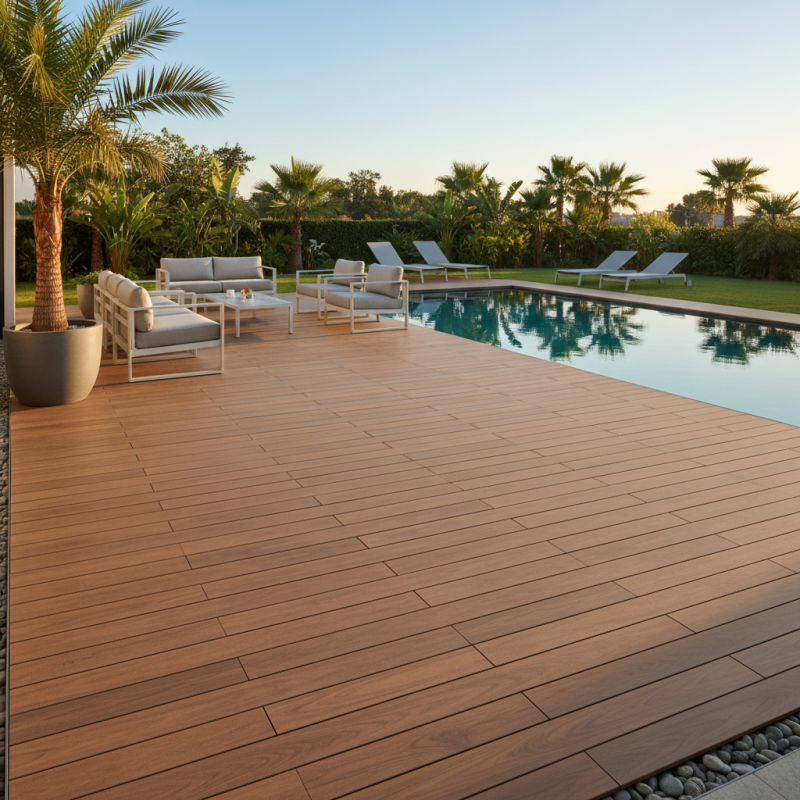
WPC decking panels are becoming increasingly popular among global buyers. These panels are made from a blend of wood fibers and plastic. This unique combination provides numerous benefits for outdoor applications. WPC decking offers durability that traditional wood cannot match. It resists rot, termites, and weather-related damage effectively.
Also, the aesthetic appeal of WPC decking is significant. It mimics the look of natural wood while providing low maintenance needs. Unlike wooden decking, it doesn't require regular staining or sealing. However, potential buyers should consider the initial costs, as WPC panels can be pricier upfront.
When searching for decking materials, the availability and sourcing of WPC products must be considered. Not all manufacturers follow sustainable practices. Buyers should approach sourcing with caution. Researching suppliers and asking for certifications can help ensure reliability. Ultimately, understanding WPC decking involves balancing initial investments with long-term benefits.
WPC decking panels are increasingly popular for outdoor environments due to their remarkable durability and longevity. Studies show that WPC materials can withstand extreme weather conditions. For instance, they are resistant to moisture, rot, and insects, which significantly extends their lifespan. Reports indicate that WPC decking can last 25 years or more with proper maintenance. This makes it a smart investment for global buyers looking to enhance outdoor spaces.
One critical aspect is how WPC decking holds up in different climates. In high-humidity areas, traditional wood can warp or decay. In contrast, WPC panels maintain their shape and integrity. Additionally, WPC decking does not require frequent painting or sealing. This is a notable advantage in terms of cost-effectiveness and labor.
Tips for preserving WPC decking include regular cleaning with soap and water. Avoid using abrasive cleaners that can damage the surface. Also, creating airflow around the decking helps prevent moisture buildup. While WPC is designed for longevity, a bit of care goes a long way in ensuring its durability. Choosing the right installation technique can also enhance its lifespan significantly.
WPC (Wood-Plastic Composite) decking panels offer an array of environmental advantages that support sustainable living. Made from recycled materials, these panels reduce the pressure on forest ecosystems. By using wood waste and plastic, WPC decking minimizes landfill waste. This process conserves natural resources, aligning with the growing demand for eco-friendly alternatives.
One of the most significant benefits is durability. WPC decking resists rot, insects, and weather damage. This longevity means fewer replacements, which translates to lower consumption of materials over time. While traditional wood decks require frequent staining and sealing, WPC panels need minimal maintenance. This not only saves time but also decreases the use of harmful chemicals.
Despite its benefits, WPC decking isn't without issues. Some may find the visual appeal lacking compared to natural wood. Others might experience fading over time, raising questions about long-term aesthetics. It’s essential for buyers to weigh these factors against the environmental benefits. Sustainable options are increasingly important in today's world, yet no product is perfect. Recognizing the limitations of WPC decking can lead to more informed decisions.
WPC decking panels offer impressive cost-effectiveness compared to traditional materials. Homeowners often look at initial costs when making choices. However, WPC panels provide much more than just a lower price tag. They require minimal maintenance, saving money over time. No frequent staining or sealing is necessary, which cuts down on labor costs.
Despite being more affordable, WPC decking does not compromise on quality. It resists rot and warping, which are common issues with wood. Many homeowners worry about durability. WPC panels withstand harsh weather conditions, ensuring longevity. This advantage means fewer replacements, ultimately resulting in savings.
Some may question the upfront investment in WPC products. The perception of higher prices can deter buyers. However, when considering the long-term benefits, the value becomes clear. Investing in WPC decking can lead to better financial returns. Reflecting on these points can help buyers make informed decisions.
WPC decking offers remarkable design versatility, appealing to various tastes and styles. Homeowners can choose from a range of colors and textures. This flexibility allows WPC to blend seamlessly with traditional and modern architectures. Whether you prefer a rustic cabin feel or sleek contemporary lines, there's a WPC solution for you.
Distinctive finishes enhance the aesthetic appeal of WPC decking. Textured surfaces mimic natural wood grain, providing both beauty and practicality. The ability to customize these finishes encourages creativity in outdoor spaces. This adaptability means that designers can create unique environments. However, on occasion, finding the right match to existing decor can be challenging. Carefully selecting colors and patterns is essential for harmony.
Moreover, WPC allows for creative shapes and layouts. Curved designs and intricate patterns are possible without structural complications. Outdoor spaces become an extension of the home due to this innovation. Yet, bold choices might not always resonate with all tastes. Experimentation is key, as not every innovative design will suit every buyer's vision. Balancing personal style with practical considerations is vital.
: WPC decking is made from a blend of wood fibers and plastic. This combination offers durability and resistance.
WPC decking is more durable, resisting rot and termites. It also withstands weather better than traditional wood.
WPC decking requires minimal maintenance. Unlike wood, it doesn’t need regular staining or sealing.
Yes, WPC panels save money over time due to lower maintenance costs. Initial prices may seem higher, but benefits are significant.
Yes, WPC decking offers a range of colors and textures. It's versatile for both modern and traditional styles.
Sometimes, matching can be challenging. Careful selection of colors and patterns is important for cohesive design.
Buyers should research suppliers and ask for certifications. Not all manufacturers follow sustainable practices.
WPC panels withstand harsh weather conditions effectively, ensuring longevity and fewer replacements needed over time.
Yes, WPC allows for creative layouts, including curves and intricate patterns, enhancing outdoor spaces significantly.
Sometimes higher upfront costs may deter buyers. Reflecting on long-term benefits is crucial for decision-making.
WPC decking panels are gaining popularity among global buyers due to their numerous benefits. This innovative material combines wood and plastic, offering exceptional durability and longevity, making it ideal for outdoor environments. WPC decking panels resist weathering, fading, and warping, ensuring that they maintain their appearance and functionality over time. Additionally, these panels promote sustainable living, as they are often made from recycled materials and contribute to a reduced environmental impact compared to traditional decking options.
Cost-effectiveness is another significant advantage of WPC decking panels. When compared to traditional materials, they often require less maintenance and have a longer lifespan, resulting in lower overall costs. Moreover, WPC decking panels boast design versatility and aesthetic appeal, catering to various architectural styles and preferences. This makes them an attractive choice for homeowners and builders looking for both performance and style in their outdoor spaces.

Yida Wood