When it comes to enhancing outdoor spaces, choosing the right WPC Wood Deck is crucial. Experts in the industry, like John Smith, a seasoned landscape architect, emphasize its importance. “The right deck transforms the atmosphere and durability of your project,” he says. His insights underline the need for careful selection.
WPC Wood Deck offers an appealing blend of wood and plastic composites. This combination not only ensures aesthetic charm but also enhances durability against weather elements. However, not all WPC products perform the same under stress. Variations in quality can significantly impact your project's long-term success.
Understanding the diverse options available is key. There are many factors to consider, including texture, color, and maintenance requirements. Some WPC options may be cost-effective but lack longevity. Reflecting on this can save time and money in the long run. Ultimately, making an informed choice about your WPC Wood Deck is essential for achieving your desired outdoor experience.
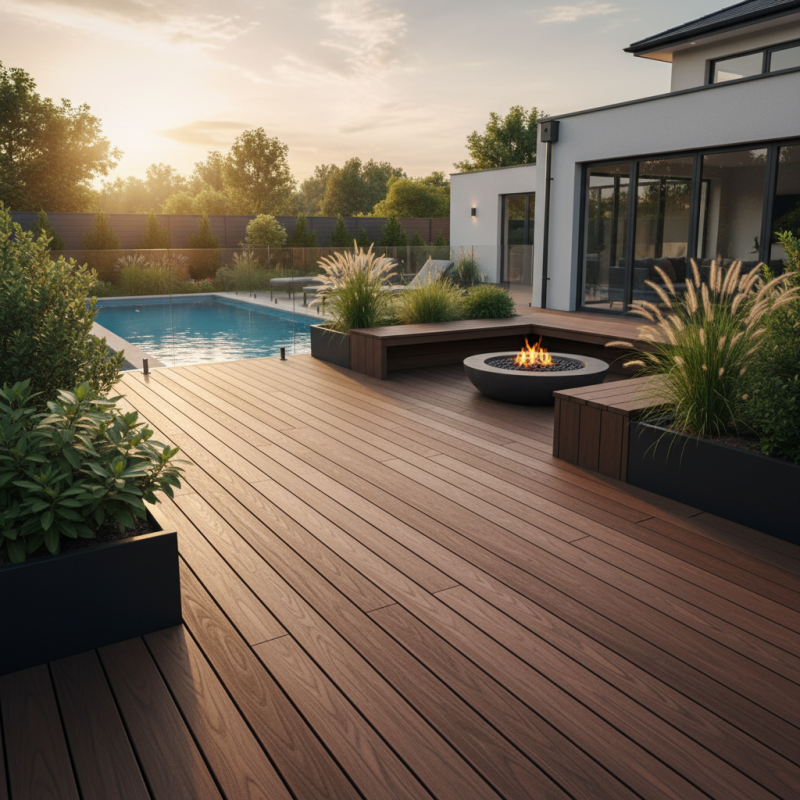
Understanding WPC Wood Decking: An Overview of Key Features
WPC wood decking has gained popularity for its unique blend of materials. It combines wood fibers and recycled plastic, resulting in a product that is durable and low-maintenance. This fusion offers an attractive option for outdoor spaces, providing the natural look of wood without its disadvantages.
Key features of WPC decking include its resistance to moisture and insects. Unlike traditional wood, WPC does not warp easily or splinter, making it safer for families. Furthermore, it requires less maintenance, saving you time and effort in the long run. However, it’s essential to consider the initial costs, which can be higher than those of conventional wood.
Another aspect to reflect upon is its environmental impact. While WPC utilizes recycled materials, the production process involves certain chemicals. Understanding these nuances is crucial. A well-informed decision ensures you benefit from WPC decking's advantages while being mindful of its potential downsides.
Factors to Consider When Choosing WPC Decking Materials
When choosing WPC (Wood Plastic Composite) decking, several factors are essential for a successful project. The blend of wood fibers and plastic gives WPC its unique properties. Understanding the environmental impact of materials can guide your choice. Research shows that WPC can have a lower carbon footprint compared to traditional wood decking. However, the source of materials is crucial.
Consider durability as a key factor. According to industry studies, WPC decking can withstand a variety of weather conditions, making it suitable for different climates. However, all WPC products are not created equal. Look for decking that is resistant to fading, staining, and insects. Check for warranties that support the product's longevity.
Tip: Always ask for data supporting the deck's performance. Testing reports can provide insights into its wear and tear.
Another important aspect is the aesthetic appeal. WPC decking comes in various colors and finishes, making customization easy. However, it's vital to gauge how well the colors will hold up under UV exposure. This can vary significantly by brand, reflecting the need for due diligence.
Tip: Take samples and test them in your environment to see how they react to sunlight and moisture over time. This firsthand experience can aid in making an informed decision.
Comparing Costs and Benefits of WPC Decking vs. Traditional Wood
When considering decking for your project, costs and benefits significantly impact the decision.
WPC, or wood-plastic composite, has gained popularity for its durability and low maintenance.
However, it often comes with a higher upfront cost compared to traditional wood.
While you may spend more initially on WPC, the long-term savings in maintenance and repairs can make it worthwhile.
Traditional wood decks require regular sealing, staining, and treatments to prevent rot and decay.
In contrast, WPC is resistant to these issues.
This means less time and money spent on upkeep. However, some might miss the natural aesthetic of real wood.
WPC can have a different appearance, which may not appeal to everyone.
Another consideration is environmental impact.
Traditional wood harvesting can lead to deforestation if not managed sustainably.
WPC, made from recycled materials, poses a less immediate environmental threat.
Evaluating these factors is crucial before making a decision.
Are you ready to invest in something that requires less maintenance, or do you prefer the classic charm of wood?
Evaluating Aesthetic Options and Customization for WPC Decks
When selecting WPC wood decking, aesthetic options and customization play a crucial role. These decks come in various colors and textures, allowing homeowners to create a unique outdoor space. Earth tones mimic natural wood, while brighter shades add a modern flair. Customizing the surface finish can also enhance slip resistance, improving safety for family and friends.
The choice of railing system adds to the overall appeal. Opting for sleek glass panels can open up views. Alternatively, traditional wooden railings provide a classic look. While the aesthetic is essential, it is also vital to consider the practical aspects. Will the chosen color fade over time? Is the texture comfortable underfoot?
Reflecting on your project’s vision is crucial. Personal taste should guide your selection, yet practical considerations shouldn’t be ignored. A well-balanced approach ensures that the final deck serves as both a beautiful and functional space. Think about how seasonal changes may affect your chosen materials and designs. Being aware of potential shortcomings can lead to a more satisfying outcome in the long run.
Maintenance Tips and Longevity Expectations for WPC Wood Decking
When considering WPC (Wood Plastic Composite) decking, understanding maintenance and longevity is crucial. WPC decking typically lasts 25 to 30 years, according to the American Wood Council. This durability is appealing, but it requires some care. Regular cleaning helps maintain its aesthetics. Use a soft broom or a pressure washer on a low setting to remove dirt. Avoid harsh chemicals that can damage the surface.
In terms of maintenance, annual inspections are essential. Look for signs of wear such as fading or splintering. Experts recommend resealing the deck every five years. This will enhance its longevity and keep it looking new. On average, WPC decking has a lower lifecycle cost compared to traditional wood. It outperforms wood in resisting pests and decay, which adds to its value.
Despite its advantages, WPC decking can be prone to fading and scratching. Some users report that colors may change over time. Careful selection of the finish can help minimize this issue. Investing in high-quality materials is vital. Choose a reputable supplier when selecting your WPC decking to ensure you receive a reliable product that meets your project's needs.
FAQS
: Key factors include the blend of wood fibers and plastic, along with environmental impact.
WPC decking can withstand various weather conditions, but not all products are equally durable.
Ensure the product has a warranty that supports its longevity and performance claims.
Look at color options and finishes. Samples can help gauge how they hold up under sunlight.
WPC decks offer various colors and textures. Consider options that enhance slip resistance for safety.
Railing choices can enhance aesthetics. Glass panels offer modern views, while wood provides a classic look.
Yes, be mindful of how colors may fade with UV exposure. Testing samples can provide insights.
Reflect on comfort and seasonal changes. Find a balance between beauty and functionality for satisfaction.
Request testing reports and observe samples in your environment for better predictions on wear and tear.
Personal taste matters, but practical considerations should guide your decision for the best results.
Conclusion
When selecting WPC wood deck for your project, it is essential to understand its key features, such as durability, resistance to moisture, and low maintenance requirements. Consider factors like the environment of installation, aesthetic preferences, and your budget to ensure the chosen materials meet your needs. Comparing WPC wood decking to traditional wood reveals its advantages, including cost-effectiveness and longer lifespan, making it an appealing choice for homeowners.
Aesthetic options and customization are abundant with WPC wood decks, allowing for creative designs that enhance outdoor spaces. To maximize the longevity of your WPC decking, regular maintenance and care are important. By taking these aspects into account, you can effectively choose the right WPC wood deck that combines beauty, performance, and sustainability for your outdoor living area.

 Yida Wood