Why Choose Waterproof Flooring for Your Home or Business?

Time:2026-05-03 Author:Mason
0%

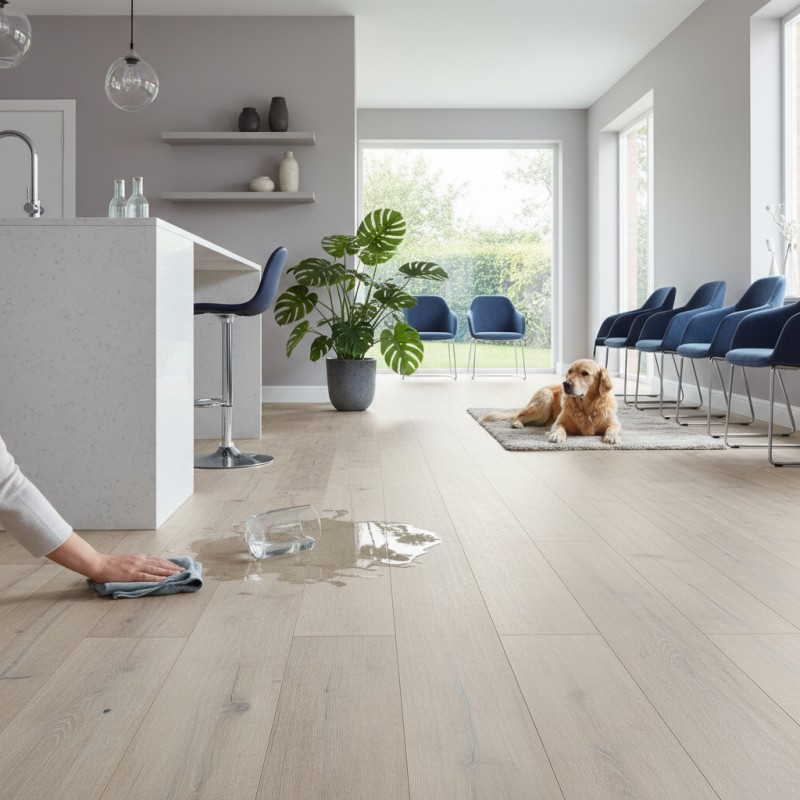
Waterproof flooring has surged in popularity among homeowners and businesses alike. According to a report by the National Association of Home Builders, nearly 60% of homeowners consider water resistance a top feature in flooring. This trend reflects the increasing need for durable and versatile materials. Waterproof floors can withstand spills, moisture, and heavy foot traffic, making them ideal for both residential and commercial spaces.

Moreover, the global waterproof flooring market is expected to grow significantly, driven by advances in technology and design. Research suggests that innovations in manufacturing have improved the aesthetics of waterproof options, attracting more consumers. For instance, luxury vinyl planks now mimic the appearance of natural wood or stone, offering style without compromising durability.

Despite these advantages, choosing waterproof flooring is not without challenges. Some brands may lack transparency about their longevity and performance under various conditions. Therefore, it's essential to research and ask questions before investing. Reliable sources indicate that extensive testing is crucial for determining the right product for your needs. Ultimately, selecting a waterproof floor can enhance the beauty and functionality of any space while providing peace of mind.
Why Choose Waterproof Flooring for Your Home or Business?

Benefits of Waterproof Flooring for Residential Spaces

Waterproof flooring has become a popular choice for homeowners and business owners alike. Recent studies indicate that over 70% of households report issues related to water damage. This statistic highlights the importance of selecting flooring that can withstand spills and humidity. Waterproof flooring offers a robust solution, particularly in kitchens and bathrooms where moisture is prevalent.

One not-so-obvious benefit of waterproof flooring lies in its ease of maintenance. Industry research shows that 80% of homeowners prefer low-maintenance options. Cleaning spills or dirt requires little effort, making it ideal for busy families. Additionally, many waterproof flooring types mimic natural wood or stone, offering aesthetic appeal without the inherent vulnerabilities.

Tips: Consider choosing textured surfaces to reduce the risk of slips. Furthermore, always check the warranty details. A reliable warranty can provide reassurance about durability and performance. Overall, while waterproof flooring may seem like a simple decision, the long-term benefits are substantial. There’s much to reflect on regarding personal needs and environmental factors in your space.

Advantages of Waterproof Flooring in Commercial Environments

Waterproof flooring is becoming essential in commercial environments. According to a report by Market Research Future, the global market for waterproof flooring is projected to grow significantly. Businesses are increasingly choosing flooring solutions that can withstand moisture and spills. This trend is not just about aesthetics; it reflects practical needs.

In restaurants and retail spaces, waterproof flooring offers several advantages. It is easier to maintain and less prone to damage from water. For instance, slip and fall accidents can be reduced significantly with high-quality waterproof materials. The National Floor Safety Institute notes that slip-resistant surfaces can decrease fall risks by up to 80%. This is crucial for maintaining a safe environment for both customers and employees.

Additionally, waterproof flooring contributes to cost savings over time. With reduced maintenance and replacement costs, businesses can allocate their budgets more efficiently. However, it is essential to evaluate the quality of waterproof flooring carefully. Not all products deliver the same level of protection and durability. Choosing the right material is vital to ensure long-term satisfaction.

Types of Waterproof Flooring Options Available on the Market

When considering waterproof flooring options, several materials stand out in today's market. Vinyl flooring is popular due to its durability and resistance to moisture. According to a report by the Resilient Floor Covering Institute, the global vinyl flooring market is expected to reach $49 billion by 2026. This indicates a significant shift towards materials that withstand water damage.

Laminate flooring is another viable option. Made with composite wood, modern laminate can mimic the look of hardwood while being resistant to moisture. Research shows that advancements in technology have improved its performance in wet conditions, making it suitable for kitchens and bathrooms. However, it’s important to note that not all laminate products offer the same level of water resistance. Homeowners must carefully evaluate their choices.

Porcelain tile also deserves mention. Its density makes it inherently waterproof. According to the Tile Council of North America, porcelain tile is one of the most durable flooring choices. While it can be a bit colder underfoot, the longevity and ease of maintenance often outweigh this drawback. Each option, while effective, has nuances that require homeowners’ attention to detail.

Factors to Consider When Selecting Waterproof Flooring

Choosing waterproof flooring can significantly improve the durability and aesthetics of any space. When selecting the right option, it’s vital to consider several factors.

Material type is crucial. For instance, luxury vinyl plank (LVP) offers 100% waterproof properties, making it suitable for high-traffic areas. According to the 2022 Flooring Industry Report, LVP accounts for nearly 35% of the residential flooring market. An alternative is porcelain tile, which is also waterproof and extremely durable. Costs vary widely, so it’s essential to compare different materials.

It’s wise to evaluate the installation method. Some options allow for easy DIY installation, while others may require professional help. Installation can influence the overall budget and timeline significantly.

Tip: Always consider your climate. Homes in humid areas may benefit from floors that resist mold growth.

Another aspect is thickness. A thicker flooring product can provide better sound insulation and comfort underfoot. Keep in mind that not all waterproof floors are created equal. It's important to verify warranty coverage for moisture-related issues.

Tip: Research customer reviews to gauge long-term satisfaction.

Installation and Maintenance Tips for Waterproof Flooring

Installing waterproof flooring can transform your space. It's essential to prepare the substrate properly. Ensure the surface is clean and dry. This helps with adhesion and longevity. Use a leveler if necessary for uneven areas. Proper preparation can save you from future complications.

When it comes to maintenance, keeping your waterproof flooring in top shape is straightforward. Regular sweeping or vacuuming removes dirt and debris. For deeper cleaning, use a damp mop with a mild detergent. Avoid harsh chemicals that can damage the surface. Watch for scratches or wear, and address them promptly. Remember, even durable flooring isn't impervious to damage.

Always check and follow specific care instructions. Some waterproof floors have unique needs based on their materials. It’s okay if you make mistakes initially—learning is part of the process. Reflect on areas where maintenance could improve. Regular upkeep can greatly enhance the life of your flooring.

FAQS

: What are the benefits of waterproof flooring?

: Waterproof flooring resists moisture and spills, ideal for kitchens and bathrooms. It also requires less maintenance.

How easy is it to maintain waterproof flooring?

Maintaining waterproof flooring is simple. You can clean spills quickly with minimal effort.

Does waterproof flooring come in different styles?

Yes, many waterproof flooring types mimic natural wood or stone. They provide aesthetic appeal without vulnerability.

Are there safety benefits to using waterproof flooring in commercial spaces?

Waterproof flooring can reduce slip and fall accidents. Certain surfaces decrease fall risks by up to 80%.

How can I extend the life of my waterproof flooring?

Regular sweeping and using a damp mop for deeper cleaning can help. Address scratches or wear promptly.

What installation tips should I consider?

Prepare the substrate properly. Ensure the surface is clean and dry for better adhesion during installation.

Is waterproof flooring suitable for all environments?

While ideal for moist areas, not all waterproof floors offer the same durability. Quality varies, so choose wisely.

How do warranties play a role in waterproof flooring?

Checking warranty details is crucial. A reliable warranty can reassure you about the flooring's durability and performance.

What should I avoid when cleaning waterproof flooring?

Avoid harsh chemicals that could damage the surface. Stick to mild detergents for cleaning purposes.

Can I make mistakes when installing waterproof flooring?

Yes, mistakes can happen. Learning from them is part of the process, and reflections can improve future installation.

Conclusion

Waterproof flooring has become an essential choice for both residential and commercial spaces due to its numerous benefits. In residential settings, waterproof floors provide durability and ease of maintenance, making them ideal for areas prone to moisture, such as kitchens and bathrooms. In commercial environments, the advantages extend to enhanced safety and reduced wear, making it a practical option for high-traffic areas.

When selecting waterproof flooring, it’s important to consider various types available on the market, which include luxury vinyl, laminate, and tile options. Additionally, installation and maintenance tips can further ensure the longevity of these floors. Overall, investing in waterproof flooring not only enhances the aesthetic appeal of a space but also offers long-lasting protection against water damage.


Mason

Mason

Mason is a seasoned marketing professional with a deep expertise in the company's offerings and a passion for driving brand awareness. With a strong background in digital marketing strategies, he has an innate ability to connect with diverse audiences and effectively communicate product benefits.......