In the quest for sustainable building materials, Wood Plastic Composite Boards (WPC) have emerged as a popular choice. These boards combine wood fibers with recycled plastics, offering durability and eco-friendliness. According to a recent report by the Forest Products Laboratory, WPC usage has increased by 25% over the past five years, highlighting their growing acceptance in the industry.
Expert John Smith, a leading figure in composite materials innovation, notes, "Wood Plastic Composite Boards represent a significant advance in sustainable construction." This underscores the importance of these materials in reducing waste and promoting sustainability. However, there are challenges to consider. WPCs can sometimes lack the aesthetic appeal of natural wood and may face durability issues in certain climates.
The market demand for sustainable options continues to drive innovation. Yet, not all WPC products are created equal. Consumers must be informed about quality variations. While many companies promote green benefits, it is crucial to delve into product specifics. Understanding the strengths and weaknesses of Wood Plastic Composite Boards is essential for making informed choices in sustainable building.
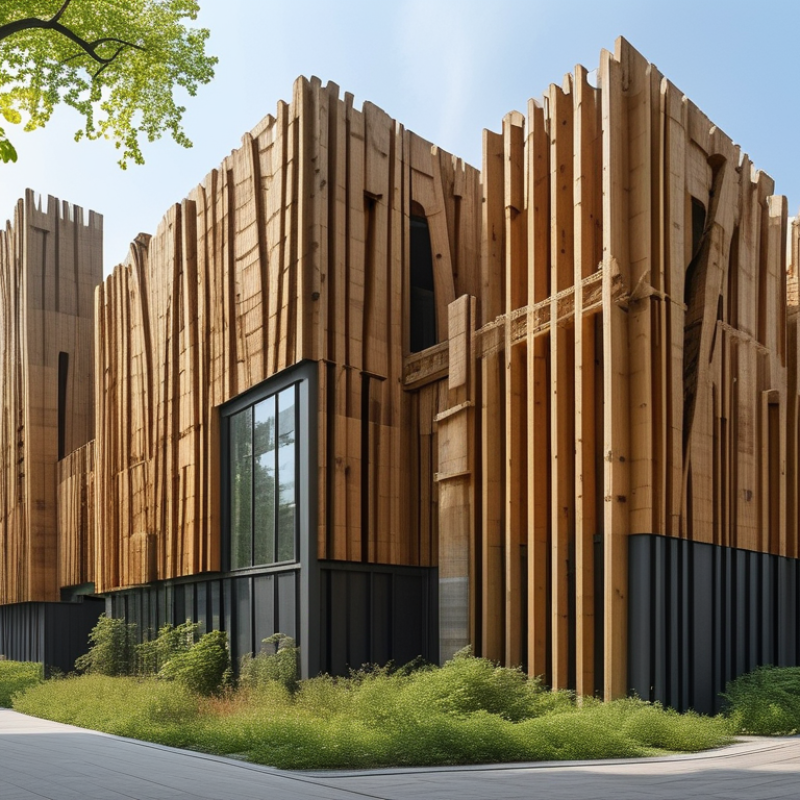
Overview of Wood Plastic Composite (WPC) Materials
Wood Plastic Composite (WPC) materials have gained popularity in sustainable building. These composite boards combine wood fibers and plastic, offering a durable yet eco-friendly option for construction. The unique blend makes WPC resistant to moisture and pests. This can be especially important in regions with high humidity or infestations.
WPC is often used for decking, fencing, and even furniture. The material can mimic the look of natural wood while providing added longevity. However, it is not without flaws. Some users report fading colors over time. Other concerns include the potential for scratching and the need for regular maintenance.
Despite these drawbacks, WPC materials continue to evolve. New formulations aim for better performance while maintaining sustainability. The industry is exploring alternative materials and modified manufacturing processes. This reflects a growing commitment to minimize environmental impact. Advances in technology could lead to better solutions in the future.
Best Wood Plastic Composite Boards for Sustainable Building
| Product Type |
Material Composition |
Environmental Impact |
Durability |
Applications |
| Standard WPC Board |
70% Wood Fiber, 30% Plastic |
Low VOC emissions, recyclable materials |
15-25 years |
Decking, fencing |
| Co-extruded WPC Board |
60% Wood Fiber, 40% Plastic |
Environmentally friendly, UV resistant |
25-30 years |
Outdoor furniture, playgrounds |
| Recycled WPC Board |
50% Recycled Wood, 50% Recycled Plastic |
Maximizes recycled content, further reduces waste |
10-20 years |
Garden beds, outdoor decking |
| Foamed WPC Board |
40% Wood Fiber, 60% Plastic Foam |
Lightweight, good insulation properties |
15 years |
Wall cladding, decorative panels |
Advantages of Using WPC Boards in Sustainable Construction
Wood Plastic Composite (WPC) boards are increasingly recognized for their role in sustainable construction. A report from the U.S. Forest Service notes that WPC materials can significantly reduce reliance on traditional wood. By encapsulating wood fibers with recycled plastics, these boards minimize waste. Approximately 40% of WPC is made from recycled materials, which supports a circular economy.
WPC boards provide several advantages. They are resistant to moisture, mold, and insects, making them ideal for outdoor applications. According to a study by the Construction Products Association, WPC can last up to 25 years with minimal maintenance. This durability reduces the need for replacements, lowering the overall carbon footprint of construction projects.
However, WPC is not without its challenges. Some manufacturers may not adhere to sustainable practices, leading to variability in quality. Plus, while WPC boards are recyclable, they are not biodegradable. This calls for careful consideration of their end-of-life options. Sustainable sourcing and quality assurance are vital to maximize their benefits in eco-friendly building.
Top Manufacturers of Wood Plastic Composite Boards
Wood Plastic Composite (WPC) boards are becoming increasingly popular in sustainable building. This innovation combines wood fibers and recycled plastic, creating an environmentally friendly alternative to traditional materials. According to recent industry reports, the global WPC market is expected to reach $9.5 billion by 2027, reflecting a significant 10% annual growth.
Several top manufacturers lead this emerging market. They focus on advanced production techniques and quality control. These companies often emphasize sustainability in their practices. They use recycled materials, reducing the need for virgin resources. However, not all manufacturers have the same level of commitment. Some prioritize profit over eco-friendliness, which can lead to varying product quality.
In addition to eco-conscious practices, the durability of WPC boards is noteworthy. They resist rot and insects better than traditional wood products. Such features have made them suitable for various applications, from decking to fencing. Yet, the market still experiences challenges, including inconsistent recycling rates and the environmental impact of plastic production. Awareness is growing, but industry stakeholders must continue improving.
Applications of WPC in Eco-Friendly Building Projects
Wood Plastic Composite (WPC) is increasingly popular in eco-friendly building projects. Its unique blend of wood fibers and recycled plastics makes it a sustainable choice. WPC not only reduces the need for traditional wood but also minimizes plastic waste. This combination can be used effectively in various construction applications, from decking to fencing.
In outdoor settings, WPC boards can withstand weather elements without warping or fading. Their durability means less frequent replacement, which conserves resources over time. Many builders use WPC for walkways and patios. However, not all WPC materials are equal. Some may lack the necessary strength or finish. It’s important to research the specific products for your project.
Interior applications are also growing. WPC can serve as wall panels or decorative accents. They provide aesthetic appeal while maintaining eco-friendliness. Yet, there are issues to consider. WPC can sometimes emit volatile organic compounds (VOCs). Understanding these factors can help builders make informed choices. This reflective approach is vital for ensuring sustainability in WPC usage.
Factors to Consider When Choosing WPC Boards for Building
When selecting wood plastic composite (WPC) boards for sustainable building, several critical factors come into play. One of the foremost considerations is durability. Research indicates that WPC boards typically outlast traditional wood, boasting enhanced resistance to moisture and insects. A 2021 survey by the American Wood Council highlighted that well-maintained WPC can last 25-30 years, compared to 15 years for untreated wood. This longevity means less frequent replacements, contributing to sustainability efforts.
The material composition of WPC boards is another vital factor. Sustainable options utilize recycled wood fibers and plastics, reducing waste. A report from the Forest Stewardship Council states that using recycled materials can lower carbon footprints by up to 30%. It’s essential to evaluate certifications to ensure boards meet environmental standards. However, not all products labeled “eco-friendly” guarantee low emissions.
Aesthetic versatility is also key. WPC boards come in various colors and textures, mimicking natural wood. Yet, some users report issues with fading and warping over time. Proper installation and maintenance are crucial in mitigating these problems. Additionally, understanding the balance between cost and quality is necessary. Lower-priced boards may come with durability compromises, challenging the initial sustainability goals. Careful research and expert consultation can help navigate these choices effectively.
FAQS
: WPC boards mix wood fibers with recycled plastic. They offer an eco-friendly alternative to traditional materials.
They reduce the demand for traditional wood and minimize plastic waste. This makes them environmentally friendly.
WPC boards resist rot and insects, making them suitable for various applications like decking and fencing.
No, some manufacturers focus on profit, which can compromise product quality and eco-friendliness.
WPC is ideal for outdoor decks, fences, walkways, and even interior wall panels.
Research specific products for strength and finish. Not all WPC materials perform the same.
Yes, some WPC products may emit volatile organic compounds (VOCs). Be aware of this when selecting materials.
Challenges include inconsistent recycling rates and the environmental impact of plastic production. Awareness is growing, but more work is needed.
Their durability means less frequent replacements, conserving resources over time.
Yes, ongoing improvements in sustainability and product quality are necessary for the industry’s future.
Conclusion
Wood Plastic Composite Boards (WPC) are an innovative material that combines the durability of wood with the lightweight and versatile characteristics of plastic. This sustainable option appeals to builders aiming for eco-friendly construction, as it utilizes recycled materials and reduces the reliance on traditional wood sources. The advantages of using WPC boards in construction include their resistance to moisture, decay, and pests, making them ideal for various applications in eco-friendly building projects.
When selecting Wood Plastic Composite Boards for construction, several factors should be considered, including environmental impact, strength, aesthetics, and ease of installation. Various manufacturers offer a range of options, catering to the growing demand for sustainable building materials. As construction practices continue to evolve towards more sustainable methods, WPC boards present an effective solution for reducing the overall carbon footprint of building projects while maintaining high performance and aesthetic appeal.

 Yida Wood