Choosing the right outdoor floor can greatly enhance any outdoor living area. Outdoor flooring options range widely in budget and style. Many factors influence your decision, such as durability, design, and climate. Expert Tim Johnson, a renowned landscape architect, emphasizes, “The right outdoor floor not only beautifies the space but also provides functionality for years.”
Quality outdoor floors can withstand the elements. From wooden decks to composite materials, the choices are abundant. Each option has its pros and cons. In recent years, environmentally friendly materials have gained popularity. Homeowners often seek sustainable solutions that look good and last longer. Unfortunately, some choose options based on price alone, which can lead to regrets later.
Aesthetics matter as much as function. Selecting materials that harmonize with natural surroundings is crucial. However, budget constraints can limit choices. This can prompt a compromise. Reflecting on long-term use is essential. Investing in an outdoor floor that fully meets your needs can save money in the long run. It's worth considering all aspects before making a decision.
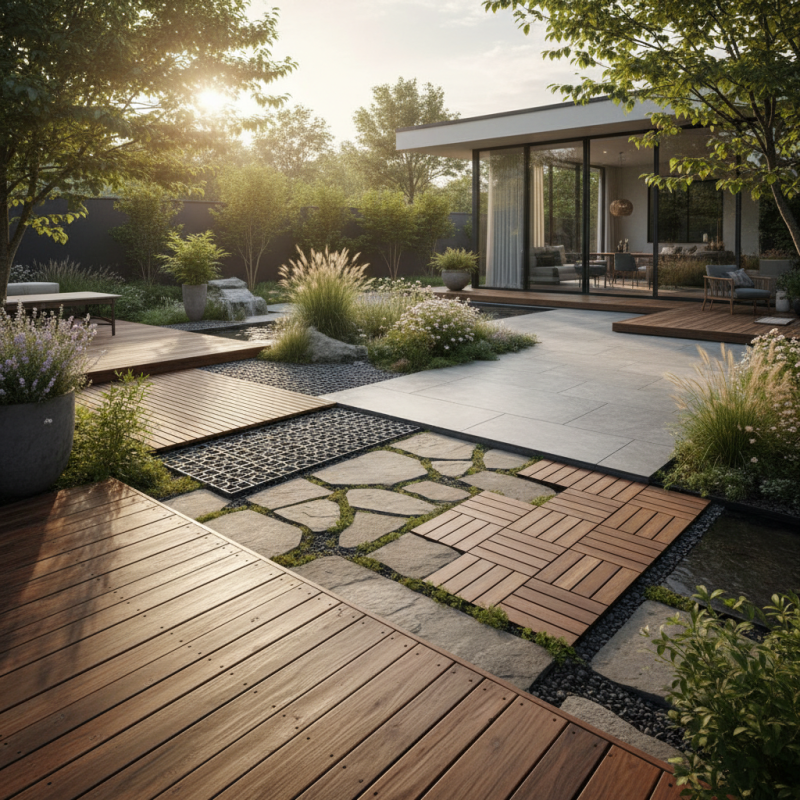
Outdoor Flooring Materials Overview: Types and Benefits
When choosing outdoor flooring, various materials offer unique benefits tailored to different styles and budgets.
Natural stone provides a timeless elegance, enhancing any outdoor space.
It’s durable but can be expensive. Maintaining its beauty requires regular sealing, which can be time-consuming.
Consider the climate, as some stones can absorb heat.
Composite decking presents a versatile choice, resembling wood without the upkeep.
It resists fading and splintering, making it ideal for high-traffic areas.
On the downside, some composites can get hot in direct sunlight. This might limit their comfort during hot days.
Porcelain tiles are another great option. They are water-resistant and come in a variety of styles.
However, installation can be complex and often needs professional help. Balance the initial costs with long-term maintenance.
Ensure you think about how each material interacts with your lifestyle and the environment around it.
This reflection can guide you toward the best decision for your outdoor sanctuary.
Budget-Friendly Options for Outdoor Flooring: Cost-Effective Choices
When considering outdoor flooring, budget-friendly options can still offer beauty and durability. Research from the National Association of Home Builders indicates that homeowners can save up to 50% by choosing economical materials. Concrete, for example, is not only affordable but highly customizable. With stamped or stained finishes, it can mimic more expensive materials, providing visual appeal without breaking the bank.
Another great choice is composite decking. This option combines recycled wood fibers with plastic, creating a low-maintenance surface that lasts long. According to the American Wood Council, composite options can lead to cost savings over time due to reduced upkeep. It's worth noting that while these materials can fit modest budgets, quality differences exist. Some lower-cost composites may fade more quickly or suffer from warping, leading to necessary replacements sooner.
Finally, outdoor tiles made from porcelain or ceramic are another stylish option that won't strain your budget. They are resistant to weather elements and can withstand heavy foot traffic. A report by Flooring Digest notes that investing in quality tiles can yield a lifespan of over 20 years if maintained properly. However, installation costs can vary widely, and some homeowners may require professional help, adding to the total expense. Choosing the right outdoor flooring involves a balance between initial costs and long-term value.
Best Outdoor Floor Options for Every Budget and Style
Stylish Outdoor Flooring Ideas for Modern Design Aesthetics
When designing outdoor spaces, flooring choices become crucial. Modern aesthetics often blend
functionality with style. For instance, natural stone tiles offer a timeless appeal
and exceptional durability. According to a recent industry report, 40% of homeowners prioritize aesthetics
in their outdoor renovations. Materials like slate and flagstone not only look sophisticated but also withstand
various weather conditions.
Composite decking is another great option to consider. It appeals to those seeking a balance between
cost and style. This material reduces maintenance and can mimic the look of traditional wood.
Research indicates that composite products can last over 25 years, making them a reliable choice.
However, they can sometimes feel less “natural” underfoot, sparking debate among design enthusiasts.
Porcelain pavers have also gained popularity. They provide an
elegant surface and can be used in stylish layouts. This material is resistant to stains and fading.
Yet, some may find them slippery when wet. Planning for safety and maintenance is essential.
As trends evolve, outdoor flooring continues to reflect personal taste while standing the test of time.
Explore various options to find the perfect fit for your vision.
Durability and Maintenance Considerations for Outdoor Floors
When choosing outdoor flooring, durability and maintenance are crucial considerations. Weather elements can take a toll on materials, affecting their longevity. According to the National Association of Home Builders, outdoor surfaces should withstand harsh conditions, including UV exposure and moisture. For instance, composite decking shows a lower maintenance rate, requiring cleaning every few months. However, its synthetic composition might not appeal to everyone seeking natural materials.
Natural stone options, such as slate or granite, offer a classic appeal. Yet, they demand more maintenance. Regular sealing is essential to prevent stains and moisture damage. A report from the American Society of Landscape Architects states that natural stones can last decades but require consistent upkeep. This commitment can be daunting for some homeowners.
Lighter materials like porcelain tiles provide an attractive alternative. They are not only durable but also resistant to fading. Most porcelain tiles need minimal upkeep—just occasional sweeping and mopping. However, their installation may require professional assistance, leading to higher upfront costs. Homeowners must weigh their budget against the long-term benefits of each material.
Best Outdoor Floor Options for Every Budget and Style - Durability and Maintenance Considerations for Outdoor Floors
| Flooring Type |
Cost per Square Foot |
Durability (Years) |
Maintenance Level |
Style Options |
| Composite Decking |
$4 - $10 |
25-30 |
Low |
Modern, Classic |
| Pavers |
$3 - $12 |
20-50 |
Medium |
Traditional, Contemporary |
| Concrete |
$2 - $8 |
30-50 |
Low |
Minimalist, Rustic |
| Wood Decking |
$5 - $15 |
15-30 |
High |
Classic, Country |
| Vinyl Flooring |
$2 - $6 |
10-20 |
Low |
Contemporary, Eclectic |
Eco-Friendly Outdoor Flooring Solutions for Sustainable Living
Choosing eco-friendly outdoor flooring is vital for sustainable living. Many options exist that fit various budgets. According to a report by the Green Building Council, sustainable materials reduce carbon footprints by up to 30%.
Recycled composites and bamboo are popular choices. They require less energy to produce than traditional materials.
Bamboo grows rapidly. It can be harvested in three to five years, unlike hardwoods that take decades. This quick regeneration makes it an appealing option for environmentally conscious homeowners. However, some bamboo products may not be durable. It's essential to check for quality certifications.
Recycled concrete pavers also deserve attention. They offer durability while diverting waste from landfills. A study by the Environmental Protection Agency found that recycled concrete can save up to 25% in production energy. Still, sourcing can be inconsistent. Local availability affects cost and design. Balancing aesthetics with sustainability often leads to tough choices.
FAQS
: Concrete, composite decking, and porcelain tiles are affordable choices that offer durability and style.
Concrete can be stamped or stained to mimic more expensive materials, providing a beautiful finish.
It combines recycled materials, is low-maintenance, and can last up to 25 years if cared for properly.
They are stylish and durable, but installation might need professional help, increasing overall costs.
Outdoor floors face harsh weather, so materials must withstand UV rays and moisture to last.
Regular sealing is necessary to prevent stains and moisture damage, demanding more care and upkeep.
Although they require less maintenance, some lower-cost versions may fade faster and warp.
They resist fading and are durable, requiring minimal upkeep like occasional sweeping and mopping.
Yes, 40% of homeowners prioritize stylish designs, making flooring an important aspect of outdoor renovations.
Balancing initial cost with long-term durability and maintenance can be tricky and requires thoughtful consideration.
Conclusion
When considering the best outdoor floor options, it's essential to understand the variety of materials available, each offering distinct benefits. From traditional wood to modern composites, every type has its own appeal and practicality, catering to different budgets and styles. For those seeking budget-friendly options, there are cost-effective choices that do not compromise on aesthetics, allowing homeowners to create beautiful outdoor spaces without overspending.
In addition to cost considerations, stylish outdoor flooring ideas showcase modern design aesthetics that can transform any patio or garden. It's crucial to consider durability and maintenance factors to ensure the selected outdoor floor withstands the elements and remains attractive over time. Furthermore, eco-friendly outdoor flooring solutions promote sustainable living, making it easier for consumers to choose environmentally responsible materials. Ultimately, a well-informed choice in outdoor flooring not only enhances the beauty of outdoor spaces but also aligns with individual values regarding budget, style, and sustainability.

 Yida Wood