WPC Panel Outdoor has gained popularity in recent years. This material blends wood and plastic for ideal outdoor applications. It offers durability while providing an attractive finish.
Many projects benefit from WPC Panel Outdoor due to its resistance to moisture and insects. This feature makes it suitable for various climates, extending its lifespan considerably. Additionally, it minimizes maintenance, reducing costs over time.
However, it's important to consider the specific needs of your project. While WPC panels offer numerous advantages, their performance can vary based on installation and environmental factors. Careful planning and research are essential to maximize benefits. Ultimately, choosing WPC Panel Outdoor can elevate your project, but awareness of its limitations is crucial.
Benefits of WPC Panels for Outdoor Applications
WPC panels, or wood-plastic composites, are gaining popularity in outdoor applications. They combine the natural beauty of wood with the durability of plastic. This mix creates a material that resists moisture, rot, and insects. According to a report by Transparency Market Research, the global wood-plastic composite market is projected to reach 5.6 billion USD by 2025. This growth highlights the increasing demand for sustainable building materials.
One of the major benefits of WPC panels is their low maintenance requirements. Traditional wood surfaces often need regular staining or sealing. In contrast, WPC panels require minimal upkeep, freeing up time for other tasks. They can simply be cleaned with soap and water. Studies show that homeowners often report significant satisfaction rates. A survey from the American Society of Landscape Architects found that 73% of professionals recommend WPC materials for outdoor projects.
WPC panels also offer design flexibility. They are available in various colors and textures, allowing customization to any aesthetic. Landscapers and builders appreciate this adaptability. However, it’s essential to consider the environmental impact and resource sourcing. Some reports highlight concerns over the sustainability of raw materials. Therefore, it’s critical to choose WPC products carefully. Not all options are created equal, and awareness about sourcing can lead to better choices.
Durability and Weather Resistance of WPC Panels
WPC panels, made from wood and plastic composites, offer significant durability and weather resistance. These panels can withstand harsh outdoor conditions. They resist rot, decay, and warping, unlike traditional wood. This makes them ideal for outdoor projects such as decking, fencing, and siding.
One of the critical advantages of WPC panels is their ability to endure rain, snow, and extreme temperatures. They do not swell or crack over time, which often occurs with wood. Moreover, their color and texture remain consistent, even with prolonged exposure to sunlight. This longevity can reduce maintenance efforts and costs over the life of the project.
However, it's essential to consider that while WPC panels are resilient, they can still succumb to scratching and fading over time. Regular cleaning can help maintain their appearance. Choosing high-quality products is crucial, but be aware that not every WPC panel provides the same level of resistance. Understanding the specific needs of your project is vital before making a decision.
Benefits of WPC Panel Outdoor for Your Projects
Environmental Sustainability of WPC Materials
WPC (Wood-Plastic Composite) panels are gaining attention for outdoor projects due to their environmental sustainability. Composed of recycled wood fibers and plastic, these materials help to reduce waste. By using WPC, we divert plastic from landfills, promoting a circular economy. This shift not only lessens our ecological footprint but also conserves natural resources.
Additionally, WPC materials offer durability and low maintenance. They resist rot and moisture, making them suitable for various climates. Unlike traditional wood, they do not require constant treatments. However, the production process still involves energy consumption, which raises questions about overall sustainability. Some may argue that WPC isn't a perfect solution. It's essential to consider the life cycle of materials we choose for our projects.
The resilience of WPC panels makes them attractive, but they must be sourced responsibly. Potential environmental impact from extraction processes and manufacturing needs evaluation. Awareness of these aspects can lead to more informed choices. A balance between aesthetics, functionality, and ecological responsibility is vital. Making a thoughtful decision not only impacts your project but also contributes to a greener future.
Cost-Effectiveness of WPC Panels in Construction Projects
WPC (Wood-Plastic Composite) panels have gained attention for their cost-effectiveness in construction. According to a recent industry report, WPC panels can reduce costs by up to 30% compared to traditional materials. This significant saving arises from lower maintenance and durability, making them an attractive option for outdoor projects.
Many builders report that WPC panels require less frequent replacement, which translates to lower long-term expenses. The panels also resist rot, insects, and moisture. A study from the National Association of Home Builders indicates that over 75% of builders appreciate the reduced labor costs associated with WPC installations.
However, there are considerations. Some users note that the initial cost can still be high for smaller projects. Additionally, improper installation may lead to issues, which can negate the material's longevity. These factors require careful planning and skilled labor to ensure optimal performance. Moreover, while WPC is versatile, it may not fully mimic the aesthetic of natural wood, which is important for certain designs. Balancing these attributes is essential for maximizing value in construction projects.
Aesthetic Versatility of WPC Panels for Outdoor Designs
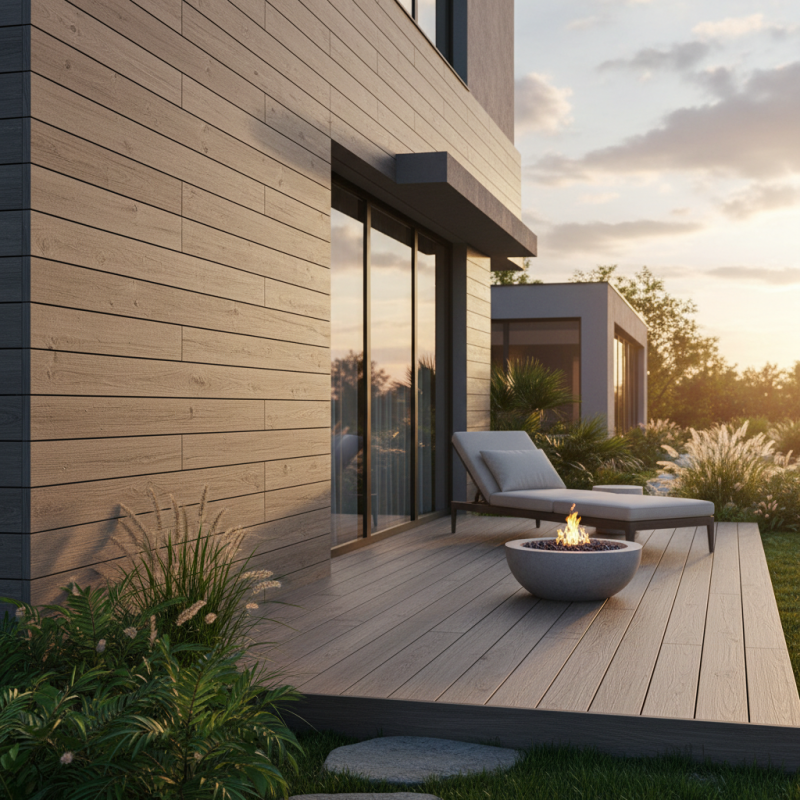
WPC panels, or wood-plastic composites, have rapidly gained popularity in outdoor design. Their aesthetic versatility allows homeowners and designers to create unique spaces. With a wide range of colors, textures, and finishes, these panels can mimic natural wood, stone, or other materials. This versatility is crucial, as 90% of consumers consider visual appeal an important factor in outdoor spaces.
According to recent industry reports, WPC panels can last up to 25 years with minimal maintenance. Their resistance to moisture and pests means fewer replacements are needed over time. This durability enables a variety of applications, from decking to fencing. However, some may find the initial investment higher than traditional materials. Despite this, the long-term savings in maintenance and replacement costs offer compelling reasons to consider WPC panels.
Furthermore, eco-conscious consumers appreciate that many WPC panels are made from recycled materials. This not only reduces waste but also appeals to those who prioritize sustainability in their projects. Yet, it is essential to ensure the sourced materials are truly environmentally friendly. As with any building material, evaluating the overall lifecycle and environmental impact is critical for responsible use.
What Are the Benefits of WPC Panel Outdoor for Your Projects? - Aesthetic Versatility of WPC Panels for Outdoor Designs
| Feature |
Description |
Benefit |
| Durability |
Resistant to moisture, insects, and rot |
Longer lifespan compared to traditional wood |
| Aesthetic Appeal |
Available in various colors and textures |
Enhances the visual appeal of outdoor spaces |
| Low Maintenance |
Does not require painting, staining, or sealing |
Saves time and money on upkeep |
| Environmental Friendliness |
Made from recycled materials |
Reduces environmental impact |
| Versatility |
Suitable for decks, fences, and outdoor furniture |
Flexible design options for various projects |
FAQS
: WPC panels are wood-plastic composites. They combine wood's beauty with plastic's durability for outdoor use.
Unlike traditional wood, WPC panels need minimal upkeep. They can be easily cleaned with soap and water.
WPC panels can last up to 25 years. Their resistance to moisture means fewer replacements over time.
Yes, WPC panels use recycled wood and plastic. This helps reduce waste and promotes a more circular economy.
WPC panels come in various colors and textures. They can mimic woods, stones, and other materials for aesthetic versatility.
Yes, the production process consumes energy. Sourcing materials responsibly is vital for minimizing their environmental impact.
Initial investment may be higher than traditional materials. However, long-term savings on maintenance can justify the cost.
Many homeowners report high satisfaction. However, awareness of sourcing and sustainability is crucial for informed decisions.
WPC panels are versatile and suitable for decking, fencing, and other outdoor applications, enhancing both functionality and design.
Evaluate materials for environmental friendliness. Consider aesthetics, functionality, and overall impact on sustainability.
Conclusion
WPC Panel Outdoor offers numerous advantages for various construction projects, making it an ideal choice for outdoor applications. These panels are renowned for their exceptional durability and weather resistance, allowing them to withstand harsh environmental conditions without compromising their structural integrity. Moreover, WPC materials are environmentally sustainable, providing an eco-friendly alternative that blends performance with responsible sourcing.
In addition to their practicality, WPC Panel Outdoor is also cost-effective, helping to minimize expenses in construction projects while maintaining high standards. Their aesthetic versatility allows designers and architects to create visually appealing outdoor spaces, catering to diverse styles and preferences. Overall, WPC Panels represent a harmonious balance of functionality and design, making them a valuable asset for outdoor installations.

 Yida Wood