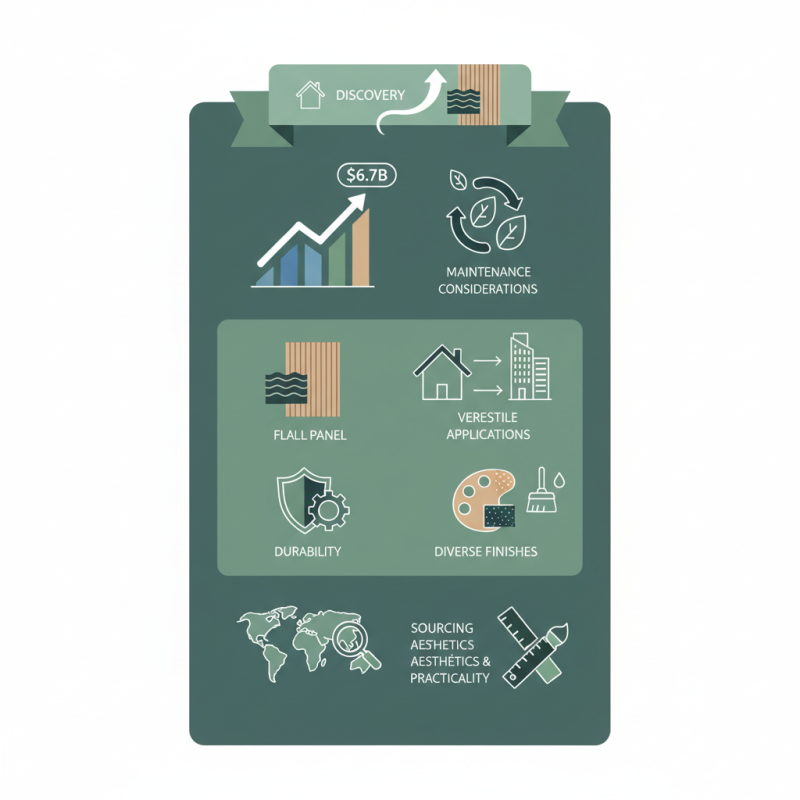
The interior design industry is evolving rapidly, with a growing emphasis on sustainability and aesthetics. WPC fluted wall panels stand out as an innovative solution. According to a recent report by MarketsandMarkets, the global WPC market is expected to reach $6.7 billion by 2026. This indicates a rising demand for materials that combine eco-friendliness with visual appeal.
WPC fluted wall panels are made from wood-plastic composites, utilizing recycled materials. This creation method significantly reduces environmental impact. Their unique design not only enhances space aesthetics but also provides excellent durability. As noted by the American Coatings Association, WPC panels have a longer lifespan than traditional materials. However, some designers may overlook maintenance requirements, which can lead to issues down the road.
This paneling choice allows for versatile applications in both residential and commercial settings. Companies like Trex and MoistureShield have adopted WPC products, showcasing their reliability. Interior architects appreciate the easy installation and diverse finishes available. While many benefits exist, it’s essential to consider potential drawbacks. Some users report challenges in sourcing specific designs. Balancing aesthetics and practical application is crucial when integrating WPC fluted wall panels into projects.
WPC fluted wall panels are an innovative solution in modern construction. These panels, made from wood plastic composite, combine durability and aesthetics. According to a recent industry report, the demand for eco-friendly materials has spiked by 30% over the past five years. WPC panels stand out as they offer a sustainable alternative to traditional materials.
Their unique fluted design not only enhances visual appeal but also improves insulation properties. Research indicates that buildings using WPC panels can reduce energy consumption by up to 25%. This is significant for project developers who aim to meet sustainability goals. Moreover, the lightweight nature of these panels promotes easier installation, saving on labor costs.
However, there are considerations to reflect upon. While WPC panels are resilient, improper installation can lead to issues like moisture retention. It’s crucial to ensure proper sealing and ventilation. Also, while maintenance is minimal, neglecting it could diminish the material's longevity. Adopting WPC fluted wall panels means embracing innovation, but awareness of their limitations is equally important.
WPC fluted wall panels are gaining popularity in construction projects due to their unique advantages. Comprising a mix of wood fibers and thermoplastics, these panels provide a sustainable alternative to traditional materials. According to a recent industry report, WPC materials can reduce carbon emissions by up to 30% compared to wood-based products. This reduction benefits the environment and appeals to eco-conscious consumers.
Durability is a key benefit of WPC fluted wall panels. They resist moisture, rot, and insect damage, often outlasting conventional materials. In fact, the lifespan of WPC panels can exceed 25 years with proper maintenance. This durability reduces long-term costs, although initial investment may be higher. Maintenance is essential as fading can occur, requiring periodic cleaning or refinishing.
The thermal insulation properties of WPC panels enhance energy efficiency in buildings. A report by the Green Building Council indicates that structures using these panels can save up to 15% on heating and cooling costs. However, while the benefits are clear, it's important to consider the market's acceptance of WPC. Some architects may hesitate, favoring traditional materials due to familiarity. Balancing innovation with tradition remains a challenge in the industry.
WPC fluted wall panels offer incredible design versatility. They come in various colors and finishes. This allows designers to choose options that fit their aesthetic perfectly. For instance, the natural wood finish can add warmth to a modern space. Alternatively, a sleek, matte finish can suit contemporary environments.
The texture of fluted panels also enhances visual interest. The grooves create shadows that change with light, adding depth to walls. This feature encourages creativity in interior design. However, choosing the right texture requires careful consideration. It must align with your overall design concept. Mixing different styles may not always yield the desired effect.
While WPC panels are durable, installation can present challenges. Perfect alignment is crucial for achieving a polished look. If panels are uneven, it detracts from their appeal. It’s important to reflect on the effects of installation errors. Proper planning and attention to detail can elevate your project significantly.
When considering WPC fluted wall panels, durability shines as a key advantage. These panels resist moisture, mold, and rotting, making them ideal for various environments. Their robust structure handles outdoor conditions well. This means prolonged lifespan and less frequent replacements.
Maintenance is straightforward. WPC wall panels require only occasional cleaning with mild detergent and water. Unlike wood, they don't need painting or sealing. However, they can fade over time in direct sunlight. Periodic inspections ensure any weathering is promptly addressed.
**Tip:** Keep an eye on any scratches. They may affect aesthetics but can sometimes be easily fixed.
Choosing the right color can also hide imperfections better. Opt for hues that blend with your overall design. This adds elegance while minimizing the visibility of wear and tear. Regular maintenance not only enhances appearance but also extends the longevity of your panels.
The environmental impact of materials used in construction has become a critical concern. WPC, or wood-plastic composite, emerges as a sustainable alternative. It combines reclaimed wood fibers with recycled plastic. This blend reduces waste and minimizes the need for virgin materials. By using WPC fluted wall panels, projects not only innovate aesthetically but also contribute positively to the planet.
Recycling plays a vital role in WPC's sustainability. The materials used in production often come from post-consumer waste. This helps divert plastic from landfills. However, the production process itself raises questions. Energy consumption during manufacturing can be significant. It’s essential to balance benefits and environmental costs. Transparency in sourcing and production practices is crucial.
Despite the advantages of WPC, challenges remain. The durability and longevity of WPC compared to traditional materials can be debated. Some users report wear over time. Understanding the lifecycle of WPC is important for responsible use. Ongoing research can improve these materials and their application in future projects. It's a journey towards a greener, more sustainable construction industry.
: They are made from a mix of wood fibers and thermoplastics.
They provide a sustainable alternative, reducing carbon emissions by up to 30% compared to traditional materials.
They enhance insulation, potentially saving up to 25% on energy consumption in buildings.
With proper maintenance, they can exceed 25 years.
Proper sealing and alignment are essential to avoid moisture issues and aesthetic flaws.
Yes, neglecting maintenance can lead to fading and reduced longevity.
Yes, they come in multiple colors and finishes, allowing for creative flexibility.
Ensuring perfect alignment can be difficult; errors may affect overall appeal.
Grooves create depth and shadows, encouraging creativity but requiring careful consideration in design choices.
Some may hesitate to adopt WPC due to familiarity with traditional materials, presenting a challenge in innovation.
WPC fluted wall panels have gained popularity in modern construction due to their numerous benefits and versatility. These panels, made from wood-plastic composites, offer a unique design aesthetic while maintaining high durability and low maintenance requirements. They are resistant to moisture and pests, making them ideal for various environments, from residential to commercial spaces.
In addition to their physical advantages, WPC fluted wall panels contribute positively to environmental sustainability by utilizing recycled materials, thus reducing waste. Their design versatility allows for a wide range of styles and finishes, accommodating diverse architectural needs. Whether enhancing the aesthetics of a project or ensuring longevity and performance, WPC fluted wall panels prove to be an excellent choice for innovative design solutions.

Yida Wood