2026 Top WPC Wood Plastic Trends for Global Buyers?

Time:2026-05-28 Author:Isabella
0%

The WPC Wood Plastic industry is rapidly evolving, capturing the attention of global buyers. Industry expert Dr. Jane Thompson asserts, "WPC Wood Plastic will redefine sustainable building materials." As we approach 2026, key trends are emerging that will shape the market landscape.

Sustainability remains a focal point. Many manufacturers now prioritize eco-friendly sources for raw materials. Biodegradable additives are gaining traction, addressing environmental concerns. However, challenges like sourcing sustainable timber persist. Buyers must stay informed about the evolving regulations and certifications.

Innovation in design is also notable. Aesthetic appeal is becoming as essential as durability in WPC Wood Plastic products. Custom colors and textures are increasingly requested. Yet, some buyers may struggle to find manufacturers who can meet these specific needs. As the market becomes more competitive, adapting to consumer preferences will be crucial for success.
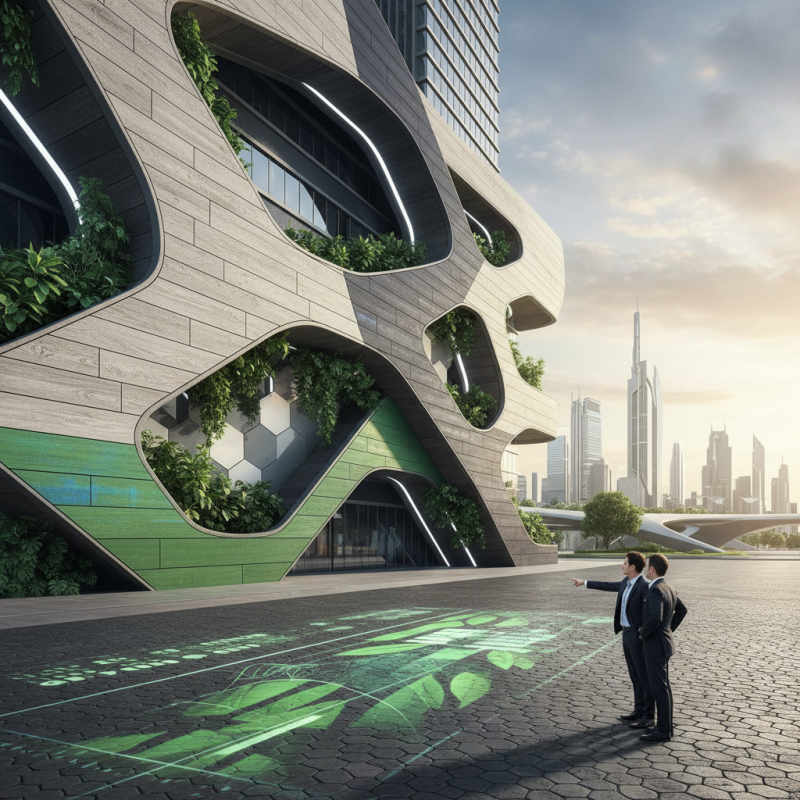
2026 Top WPC Wood Plastic Trends for Global Buyers?

Emerging Materials in WPC Wood Plastic Composites for 2026

The WPC (Wood Plastic Composite) industry is poised for significant evolution by 2026. Emerging materials will transform the composition and functionality of these composites. Recent studies indicate that biopolymers will play a crucial role in enhancing properties and sustainability. Their incorporation may improve the biodegradability of WPCs, which is a growing concern in global markets.

Data from industry reports suggest that the global WPC market will reach $10 billion by 2026, driven by innovations. For instance, lignin-based composites are showing promise. They not only replace traditional fillers but also offer improved mechanical properties and thermal stability. The challenge remains in scaling these technologies for commercial use.

Another noteworthy trend includes nanomaterials, which enhance strength and durability. However, they pose questions regarding long-term environmental impacts. The demand for advanced recycling methods also highlights the need for responsible sourcing. Buyers will need to navigate these complexities while keeping pace with emerging trends.

2026 Top WPC Wood Plastic Trends for Global Buyers

Trend Description Emerging Materials Key Benefits
Sustainability Focus Increased demand for eco-friendly materials in construction and furniture. Recycled plastics and natural fibers. Reduced environmental impact, increased recyclability.
Durability Enhancements Improved strength and longevity for outdoor applications. Advanced polymer blends. Longer lifespan, lower maintenance costs.
Innovative Textures New surface finish options to mimic natural wood. Textured molds and additives. Aesthetic appeal without sacrificing performance.
Color Innovations Expanded color palettes to cater to diverse design preferences. Color stability additives. Increased customization for consumers.
Cost-Effective Solutions Focus on affordability without compromising quality. Utilization of cost-effective recycled materials. Accessible for a wider market segment.

Innovative Manufacturing Techniques Shaping WPC Trends in 2026

The wood-plastic composite (WPC) industry is evolving rapidly. Innovative manufacturing techniques are at the forefront of this change. Techniques like 3D printing and advanced extrusion processes are shaping the future. These methods allow for enhanced customization and efficiency, meeting the diverse needs of global buyers.

New materials are also emerging. Bio-based additives are becoming popular. They improve durability and sustainability, appealing to environmentally conscious consumers. However, the reliance on these innovations raises questions. Are we prepared for the potential challenges in production standards? Quality control must keep pace with growth.

As trends unfold, manufacturers face pressure to adapt. The market demands creativity and flexibility. Balancing new technologies with traditional methods can be tough. Companies must reflect on their processes continuously. Staying ahead means embracing change while ensuring product integrity. This is crucial for maintaining trust among buyers.

Key Design Aesthetics Influencing WPC Products for Global Buyers

The wood-plastic composite (WPC) market is evolving rapidly. Design aesthetics play a crucial role in shaping consumer choices. Buyers are increasingly drawn to WPC products that blend functionality and visual appeal. A trend towards natural textures and finishes is apparent. Many prefer products that mimic the look of real wood, presenting an organic feel while offering durability.

Color palettes are shifting too. Earthy tones and muted shades dominate, creating a calming environment. However, bold colors are emerging for modern spaces, appealing to a younger demographic. Another notable trend is the emphasis on sustainability. Buyers today prioritize eco-friendly materials, seeking products that reduce environmental impact.

Even with these trends, challenges exist. Some buyers struggle to find reliable suppliers, as not all products meet quality expectations. Additionally, WPC products can sometimes be limited in design versatility compared to traditional wood. Examining these influences helps buyers make informed decisions, ensuring they choose the right products for their needs.

2026 Top WPC Wood Plastic Trends for Global Buyers

Sustainability in WPC Wood Plastic: Trends for Eco-conscious Buyers

Sustainability is a driving force in the WPC (Wood Plastic Composite) industry. Eco-conscious buyers are increasingly seeking materials that minimize environmental impact. According to a report by Grand View Research, the WPC market is projected to reach $10.3 billion by 2026, with growth fueled by demand for sustainable products.

WPC combines recycled wood and plastic materials, which conserves resources. About 70% of WPC components can be sourced from recycled or reclaimed materials. This not only reduces waste but also lowers carbon footprints. Furthermore, WPC products are often designed to be durable and weather-resistant, reducing maintenance needs and extending product life.

However, challenges remain in achieving the perfect balance of sustainability and performance. Some manufacturers still rely on virgin plastics, which undermines eco-friendly claims. Transparency in sourcing and production methods is essential. Eco-conscious buyers must demand clearer labeling of WPC products. Trust and reliability in sourcing are key to making informed choices. The journey toward sustainability is ongoing, and continuous improvement is vital for long-term success.

Market Insights: Demand Drivers and Opportunities for WPC in 2026

The demand for wood-plastic composites (WPC) is experiencing noteworthy growth. In 2026, the global WPC market is projected to reach approximately $10.5 billion. This surge reflects trends in sustainability and eco-friendly building materials. More consumers are prioritizing green options in construction and renovation. According to a recent market report, the residential sector drives over 60% of this demand.

Technological advancements also play a crucial role. Innovations in manufacturing processes and material formulations enhance performance. Improved resistance to moisture and UV rays makes WPC more appealing than traditional materials. The construction industry’s shift towards prefabricated solutions presents additional opportunities. Companies that embrace modular designs can leverage WPC features effectively.

However, challenges remain. The availability of raw materials can impact production rates. Additionally, emerging competitors in the market may drive prices down. Businesses must adapt to these dynamics to secure their position. Awareness of eco-label certifications is increasingly vital for establishing credibility. Keeping up with industry standards ensures manufacturers and suppliers rise above the competition in the evolving landscape.

FAQS

: What are the main design aesthetics influencing WPC products?

: Natural textures and finishes are popular. Buyers prefer products that mimic real wood for an organic feel.

How are color trends shifting in WPC products?

Earthy tones and muted shades dominate. Bold colors are also popular among younger buyers.

Why is sustainability important for buyers of WPC products?

Eco-conscious buyers prioritize materials that minimize environmental impact and promote sustainability.

What materials are used to create WPC products?

WPC combines recycled wood and plastic materials, conserving resources effectively.

What percentage of WPC components can be recycled?

About 70% of WPC components can come from recycled or reclaimed materials.

What challenges do buyers face when choosing WPC products?

Buyers may struggle to find reliable suppliers or products that meet quality expectations.

Are WPC products always eco-friendly?

Not always; some manufacturers still use virgin plastics, which affects sustainability claims.

Why is transparency important in WPC sourcing?

Clear labeling helps eco-conscious buyers make informed choices about sustainability and functionality.

How do WPC products contribute to reducing maintenance needs?

They are designed to be durable and weather-resistant, extending product life and reducing upkeep.

What aspect of sustainability needs improvement in WPC products?

Continuous improvement is vital; achieving a balance between sustainability and performance remains challenging.

Conclusion

As we look toward 2026, the landscape of WPC wood plastic composites is evolving rapidly with emerging materials and innovative manufacturing techniques leading the way. Key trends indicate that global buyers will increasingly favor designs that combine aesthetic appeal with functionality, making WPC wood plastic products more attractive for various applications.

Sustainability remains a crucial consideration for eco-conscious consumers, driving the development of greener materials and processes within the industry. Market insights reveal significant demand drivers and opportunities, reflecting a growing interest in WPC wood plastic solutions across sectors. These trends indicate a promising future for WPC products, solidifying their position as a staple in sustainable building and design.

Isabella

Isabella

Isabella is a dedicated marketing professional with a sharp focus on driving brand growth and engagement through strategic content creation. With an extensive background in digital marketing, she combines her passion for storytelling with her keen understanding of industry trends to deliver......