The world of architecture and design is undergoing significant changes as we approach 2026. One of the standout innovations is WPC exterior cladding. This material, made from wood-plastic composites, offers a blend of aesthetics and durability. In recent years, WPC has gained popularity due to its sustainable nature and low maintenance requirements.
The versatility of WPC exterior cladding suits various architectural styles. It can mimic natural wood while resisting moisture and pests. Yet, as we embrace this technology, it's crucial to reflect on its potential shortcomings. Are we fully addressing concerns about longevity and environmental impact? It's essential to stay informed about the quality of materials being used.
Moving forward, designers must consider the balance between innovation and sustainability. WPC exterior cladding presents opportunities for energy efficiency, yet challenges remain. Every trend brings lessons. The path to finding the ideal cladding solutions requires both creativity and critical thinking. What we choose today will shape the landscape of tomorrow.
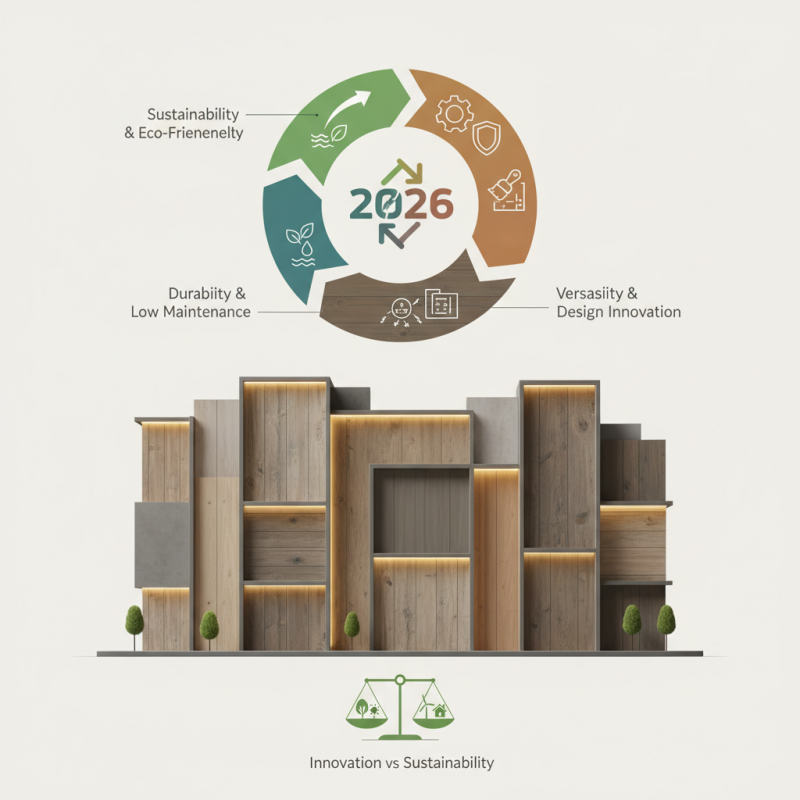
As we look toward 2026, advancements in Wood-Plastic Composite (WPC) exterior cladding are reshaping the market. Industry reports indicate that the WPC market is expected to grow at a compound annual growth rate (CAGR) of 10% from 2021 to 2026. This growth drives heightened competition and innovation within the sector.
Key innovations focus on durability and sustainability. Enhanced formulations are improving resistance to moisture and UV exposure. Additionally, new manufacturing techniques are reducing waste and energy consumption. Recent studies demonstrate that these developments lead to a decrease in lifecycle costs, making WPC more appealing for builders and architects alike. These innovations, however, come with challenges. Some products are still prone to warping and thermal expansion despite improvements.
Another trend is the integration of smart technology within WPC cladding. Innovations like embedded sensors for temperature and humidity monitoring are emerging. These developments present opportunities and questions about data privacy and maintenance. While they enhance building performance, they also create new complexities. As the sector continues to evolve, navigating these advancements thoughtfully will be crucial.
Sustainability is changing how we view WPC cladding materials. As environmental concerns rise, builders seek materials that blend durability with eco-friendliness. A recent report shows that WPC cladding can reduce carbon emissions by up to 50% compared to traditional materials. This shift reflects a growing demand for sustainable options in construction.
Using recycled materials is one way WPC manufacturers reduce waste. Many products now contain around 60% recycled content. This innovation not only conserves resources but also appeals to eco-conscious consumers. Homeowners are increasingly looking for options that support green building practices.
Tip: When selecting WPC cladding, check for certifications that ensure sustainability.
Investing in high-quality WPC materials can yield long-term savings. Their resistance to rot and insects minimizes maintenance costs. However, not all WPC products are created equal. Some might lack essential durability features, leading to premature wear.
Tip: Always review product specifications before making a purchase.
Amid evolving trends, the industry must remain accountable. Exploring new recycling methods and innovative materials is essential. Collaboration among stakeholders can lead to better practices. The journey toward sustainable WPC cladding is ongoing and requires constant improvement.
As the demand for sustainable building materials rises, WPC (Wood Plastic Composite) cladding solutions gain attention. Market research forecasts indicate a significant growth trajectory for WPC cladding solutions, projected to reach USD 8.5 billion by 2026. This reflects a compound annual growth rate (CAGR) of 11.6% from 2021. Such promising figures highlight a shift towards eco-friendly materials in construction.
WPC cladding offers durability and aesthetic appeal. It resists rot, insects, and moisture, making it suitable for various climates. Industry experts emphasize that homeowners increasingly prefer materials that require less maintenance. With a variety of textures and colors available, WPC can mimic traditional wood without the downsides of natural decay.
Tip: When considering WPC cladding, focus on the environmental certifications. Brands with sustainability endorsements demonstrate their commitment to eco-friendly practices. Remember, not all WPC products are created equal. Examine the composition and recycling potential of each option. Quality products often include recycled materials, making them more sustainable.
In the construction field, the transition to WPC cladding reveals a longing for innovation. However, some challenges persist. Issues such as limited awareness about WPC benefits may hinder broader adoption. Continued education on the advantages and applications of WPC can shift perceptions. Addressing these gaps will be vital as the industry moves toward more sustainable practices.
| Trend | Market Share (%) | Growth Rate (%) | Applications |
|---|---|---|---|
| Sustainable Materials | 40 | 8 | Commercial, Residential |
| Customizable Designs | 25 | 10 | Luxury Homes, Eco-friendly Buildings |
| Low Maintenance | 20 | 6 | Residential, Commercial |
| Energy Efficiency | 15 | 7 | Commercial, Government Buildings |
The WPC (Wood Plastic Composite) industry is witnessing significant technological advancements. These innovations are reshaping the manufacturing processes of exterior cladding solutions. The integration of advanced machinery allows for more efficient production. This leads to a reduction in labor costs and quicker turnaround times. Additionally, enhanced quality control systems ensure that the final products meet high standards.
Another notable trend is the development of sustainable practices. New materials are being designed to minimize environmental impact. For example, the use of recycled materials in WPC formulations is rising. This not only helps reduce waste but also appeals to eco-conscious consumers. Manufacturers are experimenting with various blends, leading to improved durability and aesthetic choices.
However, the adoption of these technologies is not without challenges. Some facilities struggle to integrate new equipment with existing systems. This can lead to temporary disruptions. Moreover, the fast-paced advancements often require ongoing training for personnel. Staying updated can be a cumbersome task. Despite these hurdles, the future of WPC exterior cladding solutions looks promising, driven by continuous innovation and sustainability.
Consumer preferences are significantly shaping the direction of WPC (Wood Plastic Composite) cladding design trends in 2026. Sustainability remains a crucial factor. Homeowners are increasingly looking for eco-friendly materials. WPC cladding meets this demand, combining durability with a lower environmental impact. This blend appeals to a diverse range of consumers who value responsible choices.
Aesthetic appeal is also vital. Many consumers favor natural-looking finishes. The rise of textured surfaces and earthy hues reflects a desire for designs that harmonize with nature. Personalization is another trend. Customers want options that allow them to express individuality. This shift pushes manufacturers to innovate, creating unique designs that cater to various tastes.
However, challenges remain. Some consumers still have questions about durability and maintenance. While WPC is resistant to rot and insects, some skepticism exists. Addressing these concerns becomes essential for companies. By focusing on education and transparency, the industry can build trust. This approach promotes a broader acceptance of WPC solutions in the market.
: WPC stands for Wood-Plastic Composite. It's a mix of wood fibers and plastic.
Demand for sustainable materials is rising. Building practices are shifting towards eco-friendly options.
It resists rot, insects, and moisture. It also offers various textures that resemble traditional wood.
Yes, some products may warp or expand with heat. Not all options are equally durable.
Look for environmental certifications. Check for recycled materials in the composition for sustainability.
Smart technology integration is growing. This includes sensors for monitoring temperature and humidity.
The market is projected to reach USD 8.5 billion by 2026.
Improved durability and sustainability lead to lower maintenance needs and longer life.
Limited awareness about its benefits affects adoption. Educating builders and homeowners is critical.
WPC requires less maintenance than traditional materials. However, initial knowledge about care is still necessary.
The article "2026 Top Trends in WPC Exterior Cladding Solutions" explores the upcoming innovations and trends in wood-plastic composite (WPC) exterior cladding. It highlights key innovations expected by 2026, including advanced manufacturing techniques that enhance durability and design versatility. Sustainability emerges as a significant trend, with a focus on environmentally-friendly materials that appeal to both consumers and builders alike.
Market growth projections indicate a robust demand for WPC cladding solutions, driven by increasing consumer preferences for aesthetic appeal and low maintenance. Additionally, technological advancements in manufacturing processes are set to improve not only the performance but also the customization options available, thereby shaping the future of WPC exterior cladding designs. The integration of these factors underscores a transformative shift in the exterior cladding market by 2026.

Yida Wood